Reza Shah The Great
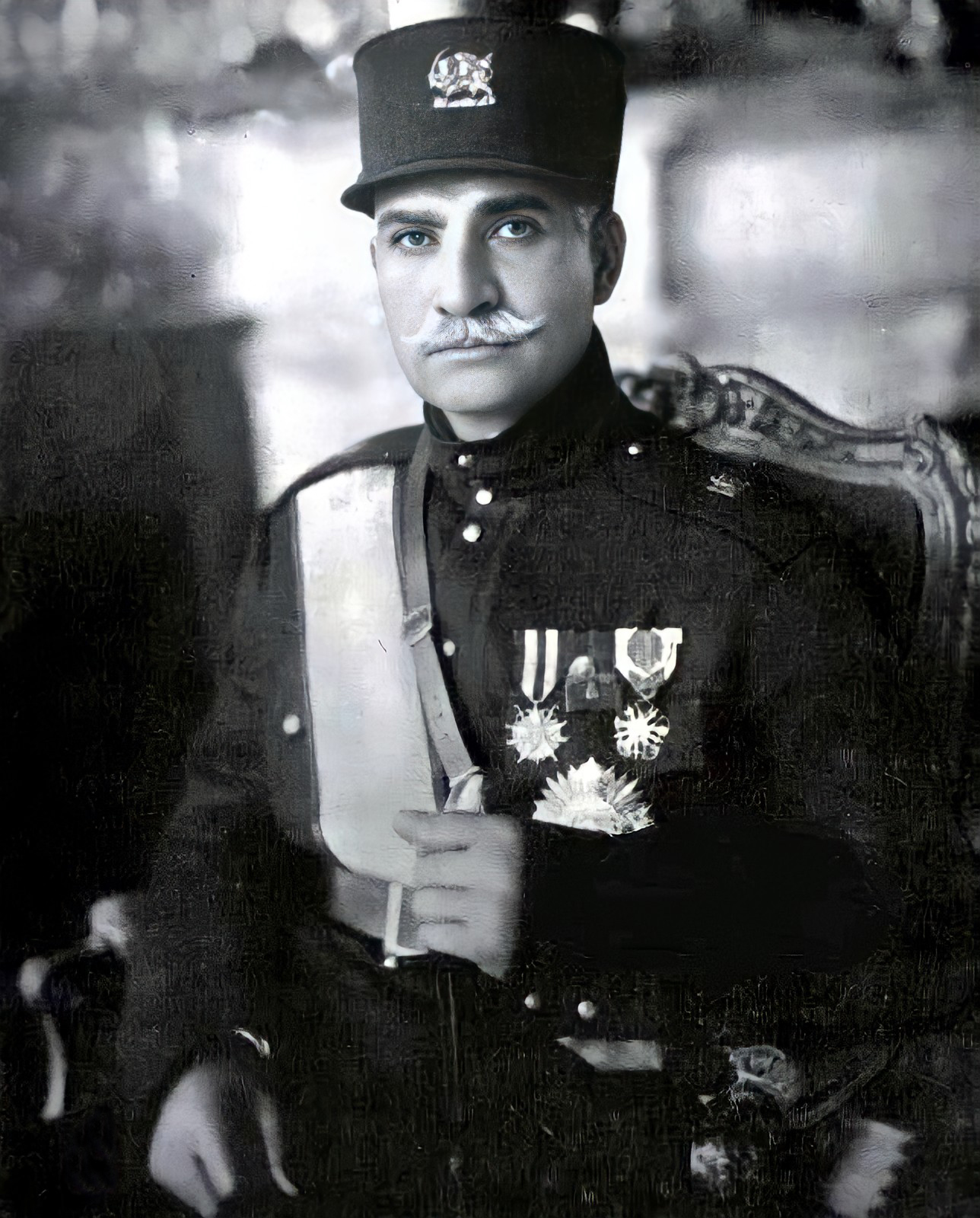
Reza Shah the Great – Founder of the Pahlavi Dynasty
Reza Shah Pahlavi, often called Reza Shah the Great, was the founder of the modern Pahlavi dynasty, and he played a pivotal role in shaping 20th‑century Iran. At the outset, he transformed a fractured nation into a centralized, secular state, laying the foundations of modern Iranian nationalism and statehood. Moreover, his leadership helped bring stability after years of chaos and external domination. However, despite his achievements, his rule was also marked by authoritarian policies that limited political freedom.
Early Life and Rise to Power
Reza Shah was born in 1878 in Alasht, northern Iran. At the age of 15, he joined the Persian Cossack Brigade, and as a result of his discipline and leadership, he rose rapidly through the ranks. Then, in 1921, he led a coup that gave him control of the military and eventually the government. Subsequently, he became prime minister, and in 1925 he was crowned Shah of Iran, marking the beginning of the Pahlavi dynasty. Thus, he ended the Qajar dynasty’s rule and set the stage for sweeping change.
Modernizing Iran: Key Policies and Reforms
Once Shah, Reza Shah pursued an ambitious program of political, social, and economic reforms aimed at modernizing Iran and reducing foreign influence. First, he reorganized and modernized the Iranian army, thereby strengthening the central government’s authority. In addition, he embarked on major infrastructure projects, including the construction of the Trans‑Iranian Railway and expanded road networks that connected disparate regions of the country. Furthermore, he secularized the education system by opening new schools and, later, the University of Tehran in 1934. Consequently, educational access expanded and clerical influence in academia diminished. Additionally, legal reforms and improvements in women’s rights helped reshape Iranian society. Nevertheless, critics note that despite these progressive steps, his modernization policies often sidelined political freedoms and dissent.
Challenges, Foreign Pressure, and Abdication
Although Reza Shah achieved much during his reign, his foreign policy and domestic approach had limits. For example, when World War II intensified in Europe, the Allies feared that Iran’s ties to Germany could threaten their strategic interests. As a result, Britain and the Soviet Union jointly invaded Iran in August 1941 to secure transportation routes for Allied forces. Consequently, Reza Shah was pressured to abdicate in favor of his son, Mohammad Reza Shah Pahlavi, and was sent into exile. Finally, he spent his remaining years abroad, dying in Johannesburg, South Africa, in 1944.
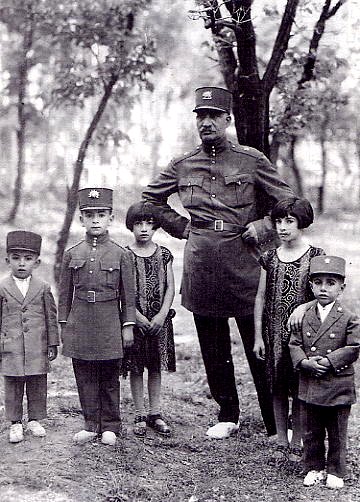
Personal Life and Family
Throughout his life, Reza Shah had four marriages:
- Maryam Khanum (died 1904) — one daughter
- Tadj ol‑Molouk (1896–1982) — four children including Mohammad Reza and Princess Shams
Turan (Qamar ol‑Moluk) — one son
Esmat Dowlatshahi — several children, including Prince Abdulreza and Princess Fatimeh
Legacy and Impact
Reza Shah died in exile in Johannesburg, South Africa, on July 26, 1944, at age 66.
Although his rule was marked by authoritarianism, his legacy endures in modern Iran’s national identity, state institutions, and infrastructure. His efforts to centralize power, expand education, and modernize the economy laid the foundation for the nation’s later developments — while also sparking debates about modernization versus personal freedoms.
Why Reza Shah Matters Today
Reza Shah’s life and reforms remain crucial to understanding 20th‑century Iranian history. His transformation of Iran from a fragmented, feudal society into a more unified and modern nation continues to influence how Iranians view governance, sovereignty, and national pride.
House of Pahlavi
Spouses and Issue
- Maryam Khanum (died 1904)
- Issue: Hamdam Saltaneh Pahlavi (1903–1992)
- Tadj ol-Molouk (1896–1982)
- Children:
- Princess Shams Pahlavi (1917–1996; aged 79)
- Crown Prince Mohammad Reza Shah Pahlavi (1919–1980; aged 61)
- Princess Ashraf Pahlavi (1919–2016; aged 97)
- Prince Ali Reza Pahlavi (1922–1954; aged 32)
- Grandchildren:
- Princess Shahnaz Pahlavi (born 27 October 1940)
- Crown Prince Reza Pahlavi (born 31 October 1960)
- Princess Farahnaz Pahlavi (born 12 March 1963)
- Prince Ali-Reza Pahlavi (28 April 1966 – 4 January 2011)
- Princess Leila Pahlavi (27 March 1970 – 10 June 2001)
- Great-grandchildren:
- Princess Noor Pahlavi (born 3 April 1992)
- Princess Iman Pahlavi (born 12 September 1993)
- Princess Farah Pahlavi (born 17 January 2004)
- Princess Iryana Leila Pahlavi
- Children:
- Turan (Qamar al-Molk) Amir Soleimani (1904–1995)
- Issue: Gholam Reza Pahlavi (born 1923)
- Esmat Dowlatshahi (1904–1995)
- Children:
- Abdul Reza Pahlavi (1924–2004)
- Ahmad Reza Pahlavi (1925–1981)
- Mahmud Reza Pahlavi (1926–2001)
- Fatimeh Pahlavi (1928–1987)
- Hamid Reza Pahlavi (1932–1992)
- Children:
Parents
- Father: Abbas Ali Khan
- Mother: Noush-Afarin Ayromlou
Personal Details
- Born: 15 March 1878, Alasht, Savad Kooh, Mazandaran, Persia (Iran)
- Died: 26 July 1944 (aged 66), Johannesburg, South Africa
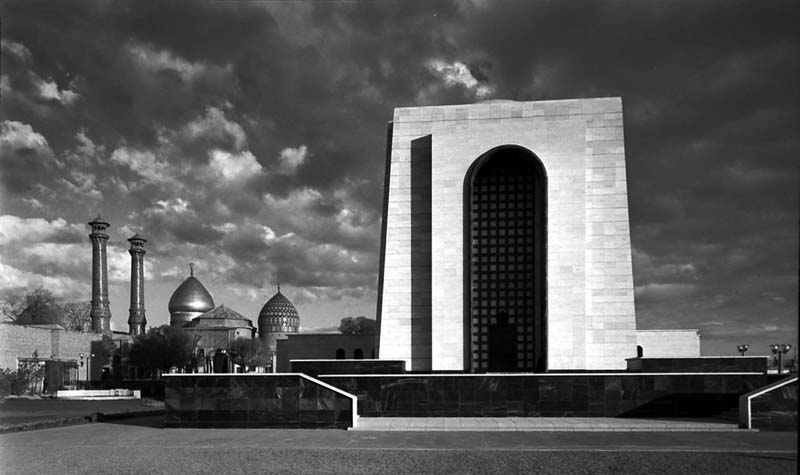
- Burial: Reza Shah’s Mausoleum, Ray, Tehran, Iran