Art & Architecture
The artistic and architectural heritage of Iran reflects one of the world’s most enduring and sophisticated civilizations. Across centuries, Persian creativity has expressed itself through monumental architecture, refined decorative arts, calligraphy, craftsmanship, and modern cultural achievements.
A Legacy of Artistic Excellence
Iranian art and architecture embody a profound sense of harmony, balance, symbolism, and beauty. From the palaces and ceremonial complexes of antiquity to the mosques, gardens, pavilions, manuscripts, and modern public institutions of later centuries, the Persian world cultivated a visual language that united elegance with meaning.
This tradition reflects not only aesthetic refinement, but also a deep reverence for craftsmanship, order, and cultural continuity.
Architectural Heritage
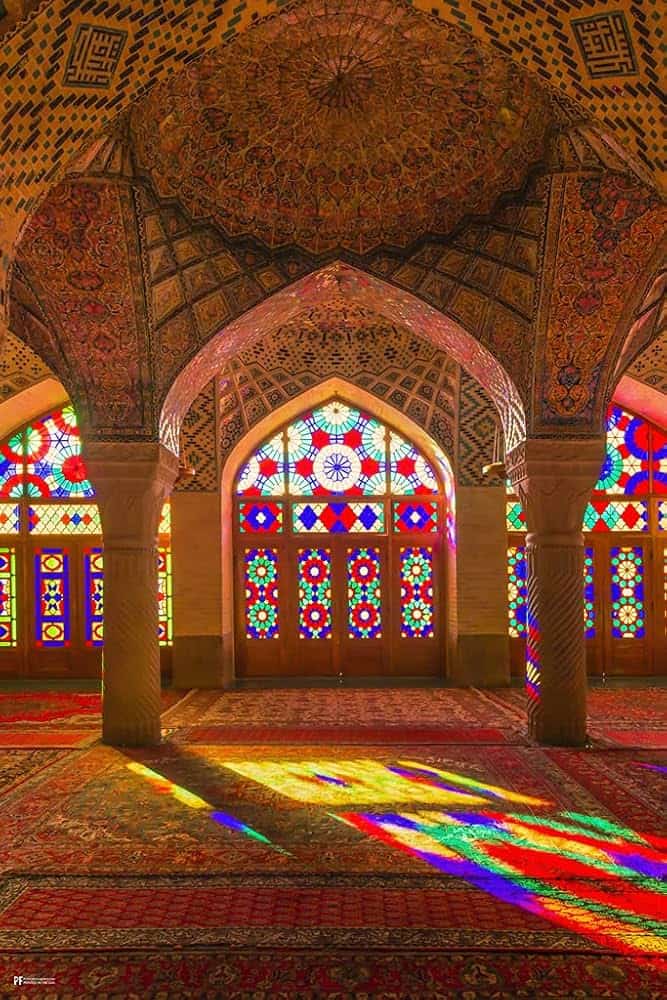
Persian architecture is distinguished by grandeur, proportion, intricate ornamentation, and an extraordinary dialogue between structure and landscape. Across different eras, Iranian builders developed forms that were both monumental and harmonious, often combining geometry, light, water, gardens, and decorative detail into a unified whole.
From the majestic remains of Persepolis to the domes, courtyards, iwans, bridges, palaces, and gardens of later centuries, the architectural tradition of Iran reveals a civilization deeply invested in both beauty and permanence. Each period contributed new elements while preserving a distinctly Persian sense of order, dignity, and artistic vision.
Key Elements of Iranian Architecture
Calligraphy and Decorative Arts
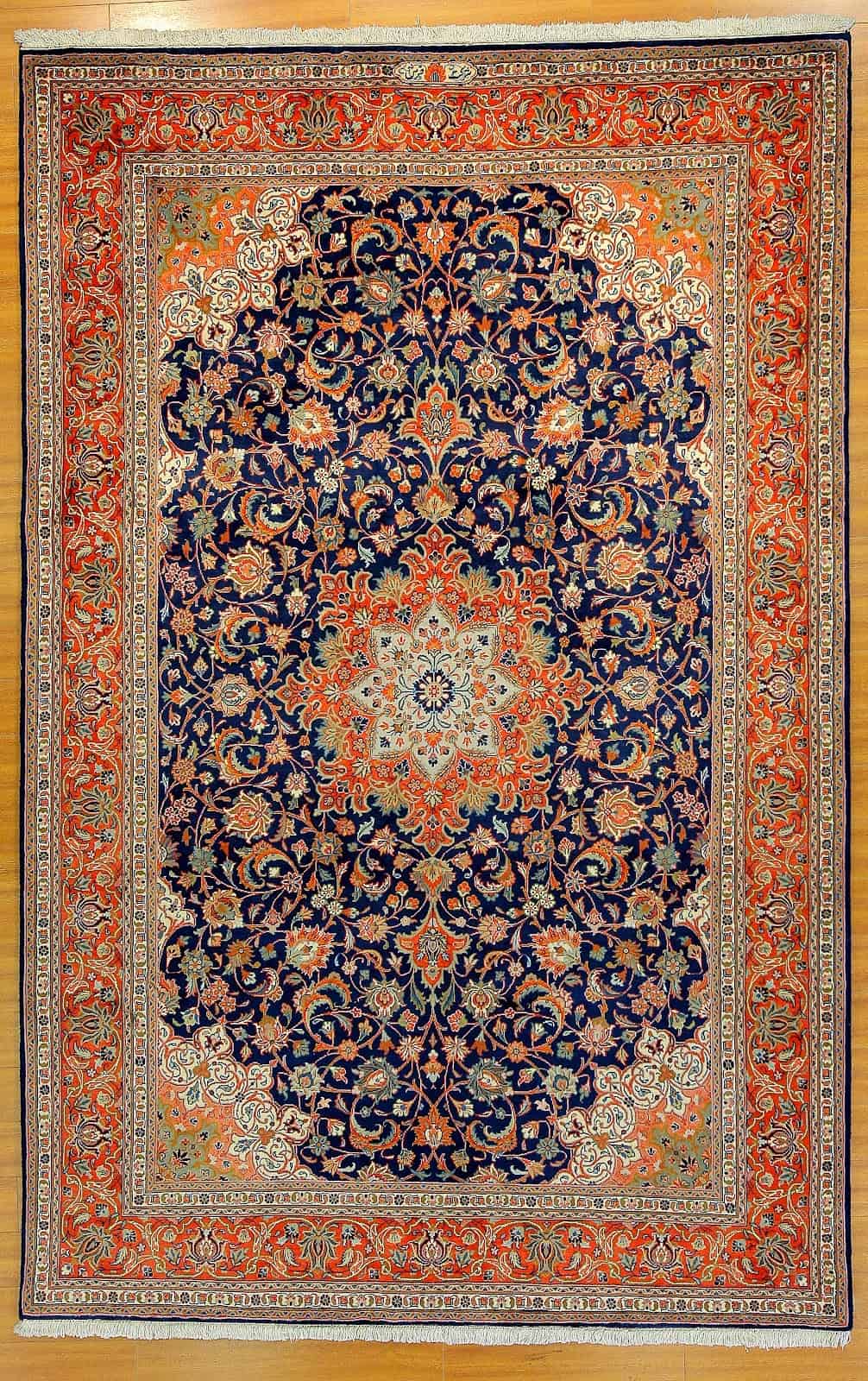
Persian artistic achievement extends well beyond architecture. Calligraphy, manuscript illumination, metalwork, ceramics, textiles, carpets, and decorative design have long occupied a central place in Iranian civilization. These arts demonstrate extraordinary technical mastery while also communicating poetry, spirituality, symbolism, and courtly refinement.
Persian calligraphy, in particular, became one of the most elevated forms of cultural expression, admired for its grace, fluidity, and harmony. Together with miniature painting, ornament, and craftsmanship, it formed an artistic world of sophistication that remains inseparable from the identity of Iran.
Modern Artistic Expression
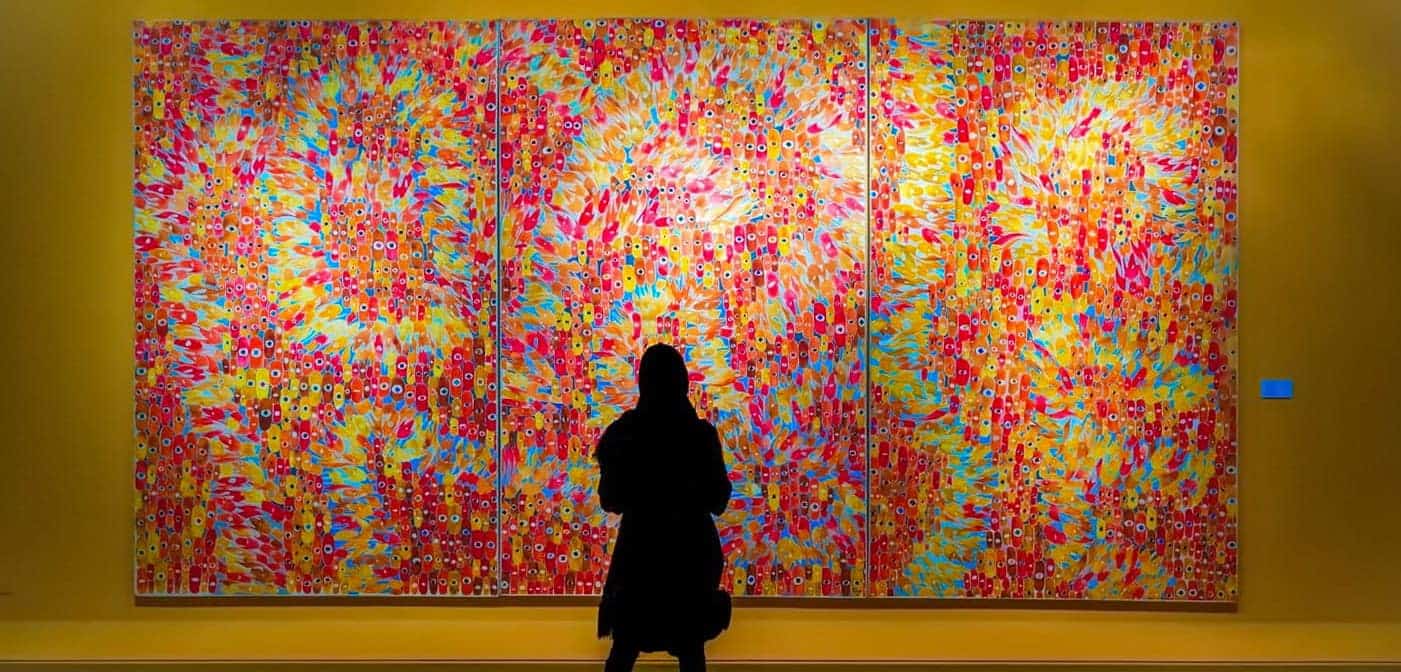
In the modern era, Iranian art continued to evolve while drawing strength from its historical foundations. Painters, sculptors, architects, designers, and cultural institutions helped present Iran as a nation deeply rooted in tradition yet engaged with the contemporary world.
A Continuing Dialogue
The dialogue between heritage and innovation became especially significant in public architecture, museums, cultural projects, and modern artistic production. This continuity between past and present remains one of the defining strengths of Iranian culture.
A Living Cultural Heritage
The artistic and architectural legacy of Iran is not merely a memory of the past. It continues to shape the cultural imagination of Iranians and admirers of Persian civilization throughout the world. Historic monuments, gardens, decorative traditions, museums, and artistic practices remain powerful reminders of the depth and richness of the Iranian experience.
To study Persian art and architecture is to encounter a civilization of remarkable continuity—one that has preserved its creative spirit across changing eras while continuing to inspire through elegance, symbolism, and profound cultural achievement.
Persian art and architecture reveal a civilization that has always understood beauty not as ornament alone, but as an expression of order, dignity, and enduring cultural vision.