The Pahlavi Dynasty
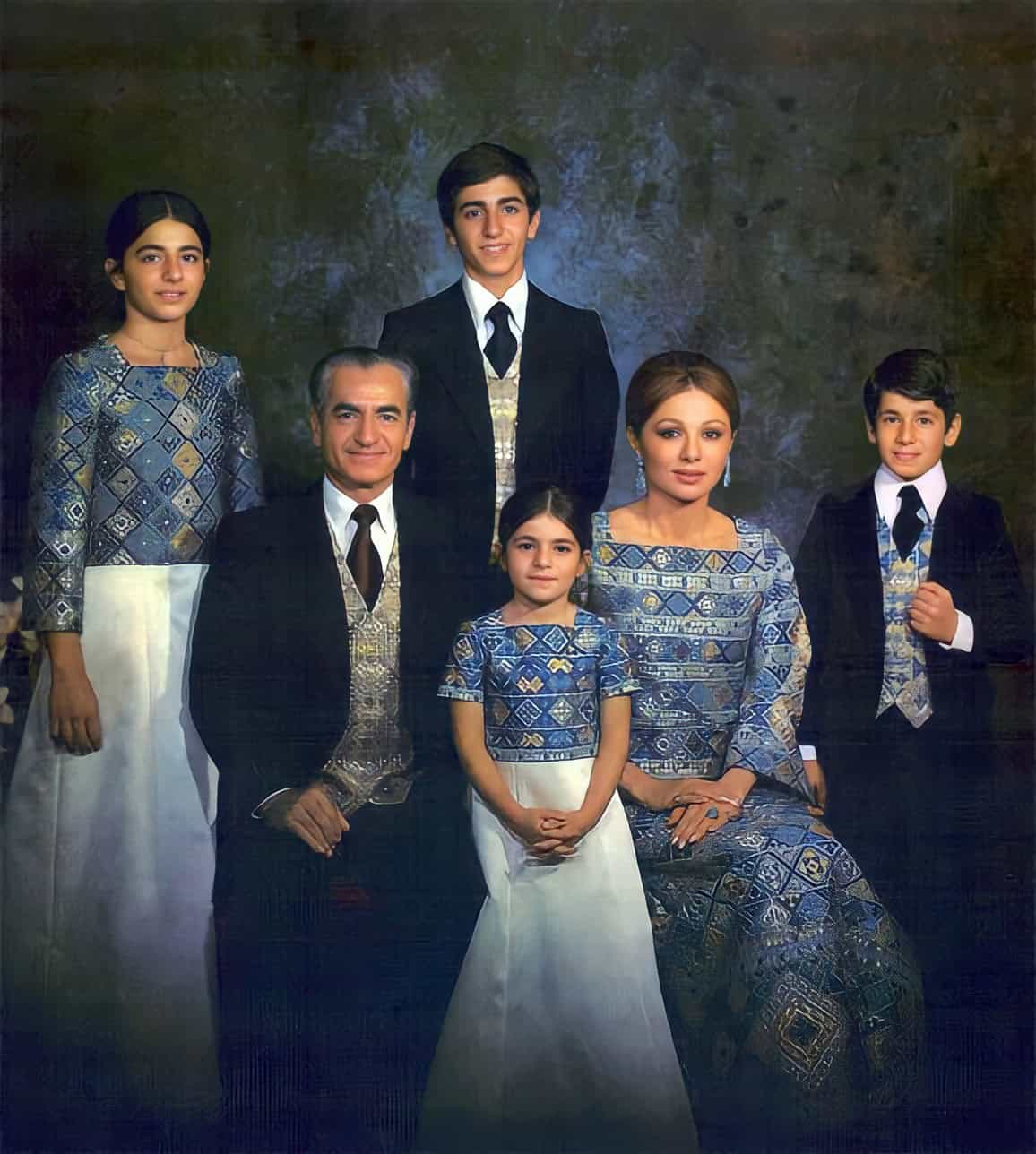
Crown Prince Reza, Princess Farahnaz, Prince Alireza and Princess Leila
The Pahlavi dynasty ruled Iran from 1925 until 1979, marking a period of rapid modernization and profound social transformation. Although their reign lasted less than six decades, the Pahlavis left a lasting imprint on Iran’s political, cultural, and economic landscape. Their rule is remembered both for ambitious reforms and for the tensions that ultimately led to the monarchy’s fall.
The Rise of Reza Shah
The Pahlavi dynasty was founded by Reza Shah Pahlavi, a military officer who rose to power during a period of national instability. He first gained influence through the Persian Cossack Brigade and quickly became a central figure in Iranian politics. In 1921, he led a coup that paved the way for his appointment as Prime Minister, and by 1925, the Iranian parliament formally crowned him Shah, establishing the Pahlavi dynasty.
Reza Shah embarked on a wide-ranging program of modernization, including the expansion of infrastructure, the creation of a national education system, and the strengthening of central government authority. While these reforms transformed Iran into a more modern state, his rule was also marked by strong central control and limitations on political freedoms.
Mohammad Reza Shah and Continued Modernization
Following Reza Shah’s abdication in 1941, his son Mohammad Reza Shah Pahlavi ascended the throne. His reign saw continued efforts toward modernization and economic development. The White Revolution of the 1960s introduced sweeping reforms, including land redistribution, expansion of education, and increased rights and opportunities for women.
Iran experienced significant industrial growth and urban expansion during this period. However, rapid modernization also created social and political tensions, as segments of society opposed the pace of change and criticized the government’s restrictions on political activity.
Challenges and the End of the Dynasty
Despite notable achievements in modernization, the Pahlavi dynasty faced increasing opposition. Economic inequality, political repression, and cultural tensions contributed to growing dissatisfaction. By the late 1970s, widespread protests had emerged, ultimately leading to the Islamic Revolution of 1979 and the end of the monarchy.
Legacy of the Pahlavis
The legacy of the Pahlavi dynasty remains a subject of continued reflection and discussion. Supporters highlight its role in modernizing Iran, strengthening national institutions, and expanding educational opportunities. Critics point to authoritarian governance and social inequalities as enduring concerns.
Today, the Pahlavi era stands as a defining chapter in the history of modern Iran, shaping ongoing conversations about national identity, governance, and the path of development.