National Identity
Iranian national identity is rooted in one of the world’s oldest continuous civilizations, shaped by a rich heritage of language, culture, and historical experience. It reflects a deep sense of belonging that transcends time, connecting past generations to the present and future of the Iranian people.
A Living Expression of Civilization
The identity of Iran is not merely political or geographic. It is civilizational in character—formed over centuries through language, memory, artistic achievement, literature, custom, and a shared sense of historical continuity.
A Civilization of Continuity
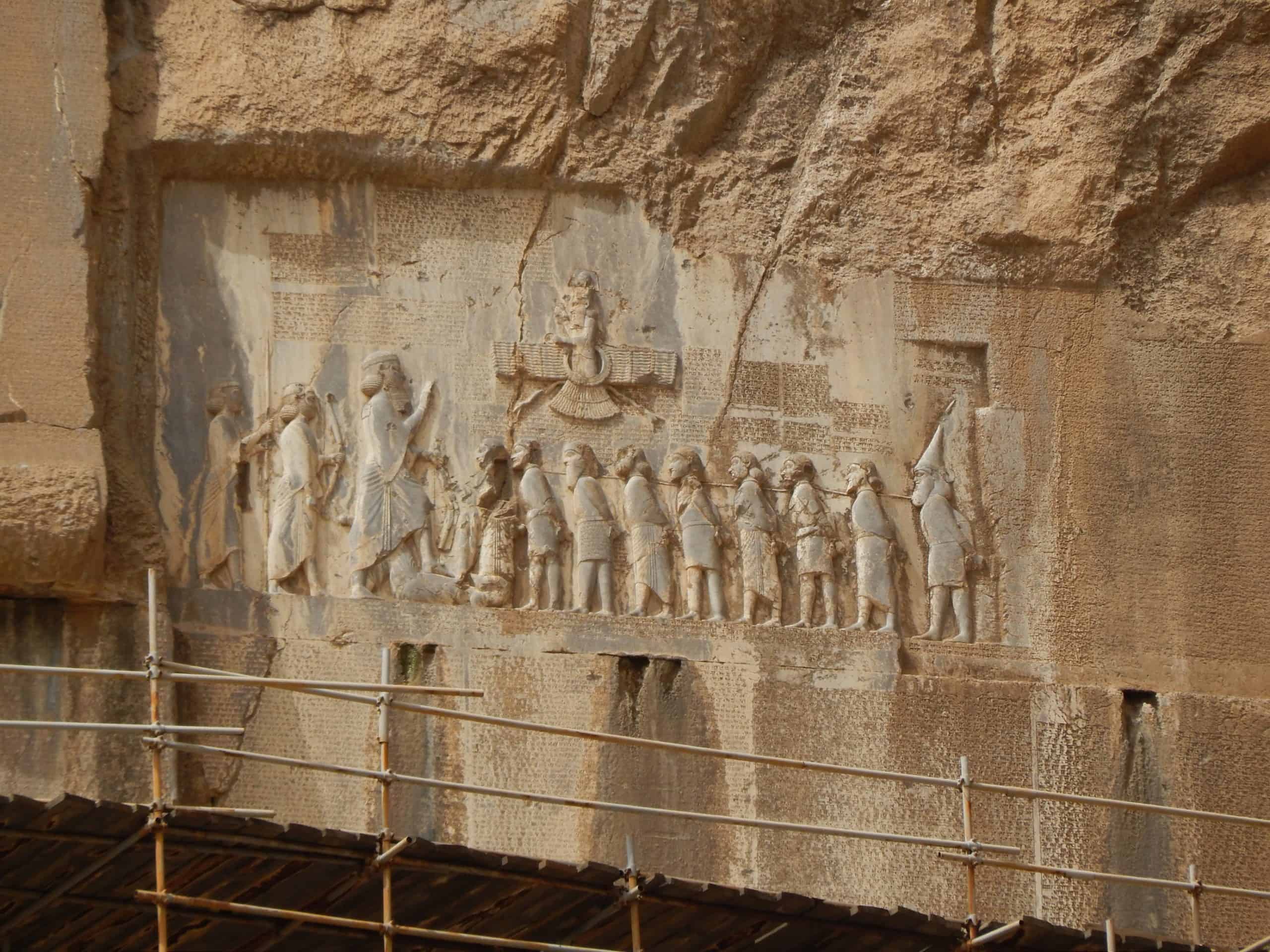
For millennia, Iran has been a center of culture, learning, and artistic achievement. From the ancient empires of Persia to the modern era, the Iranian identity has been defined by resilience, creativity, and a commitment to preserving its unique cultural legacy.
Despite periods of change and challenge, this identity has remained enduring and cohesive.
Language and Cultural Expression
The Persian language stands at the heart of Iranian identity. It is not only a means of communication but also a vessel of literature, poetry, and philosophy.
The works of Hafez, Saadi, and Ferdowsi continue to inspire generations and testify to the depth of Iran’s intellectual and artistic traditions.
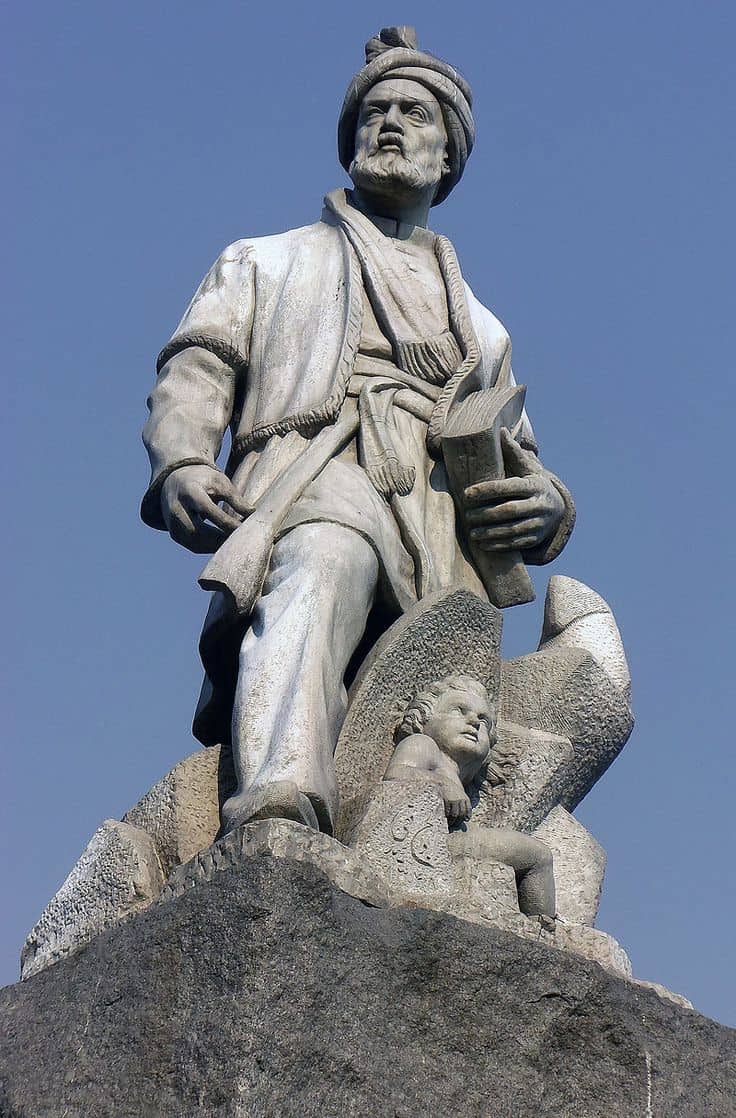
Ferdowsi is one of the greatest figures in Persian history and literature, best known for his immortal epic, the Shahnameh (“The Book of Kings”). Through this monumental work, Ferdowsi preserved the Persian language, culture, and national identity during a time of great change and foreign influence. Revered as the guardian of Iran’s literary heritage, his legacy continues to inspire generations across the Persian world.
Shared Traditions and Values
National identity in Iran is closely tied to shared traditions and cultural practices. Celebrations such as Nowruz, Yalda Night, and other national observances reinforce a collective sense of unity and continuity.
These traditions reflect values of renewal, family, hospitality, and respect for heritage.
Values Preserved Across Generations
Modern Identity and Global Presence
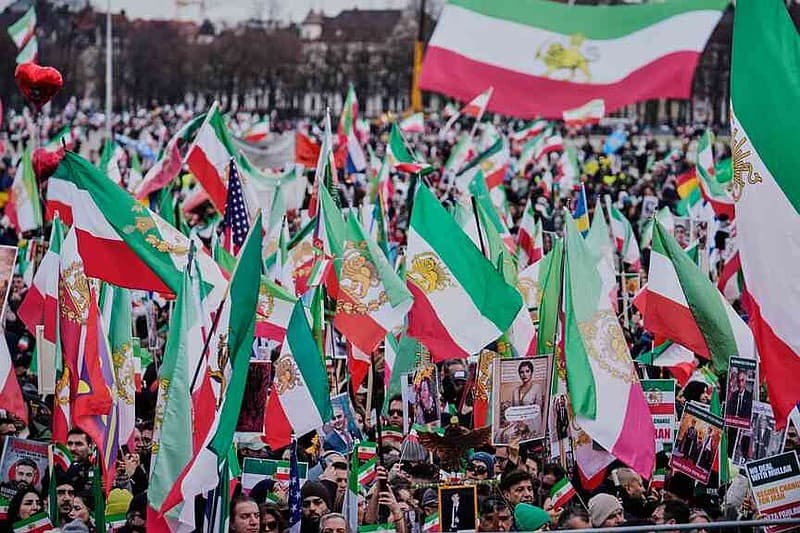
In the modern era, Iranian national identity continues to evolve while remaining grounded in its historical foundations.
Iranians around the world maintain strong cultural ties, contributing to a global community that carries forward the traditions, values, and spirit of Iran.
Unity Through Heritage
Iranian identity is not defined solely by geography, but by a shared cultural memory and collective pride in a civilization that has contributed significantly to human history.
It is this unity rooted in heritage and expressed through culture that continues to define the Iranian people.
The national identity of Iran is a reflection of its enduring civilization, cultural richness, and the strength of its people a source of pride, continuity, and inspiration linking generations across time.
The History of the Persian Flag
The history of the Persian flag reflects more than two millennia of Iranian civilization, sovereignty, and cultural identity. Across successive dynasties and empires, the symbols and colors of Persia evolved while preserving themes of continuity, kingship, strength, and national unity.
The Derafsh Kaviani
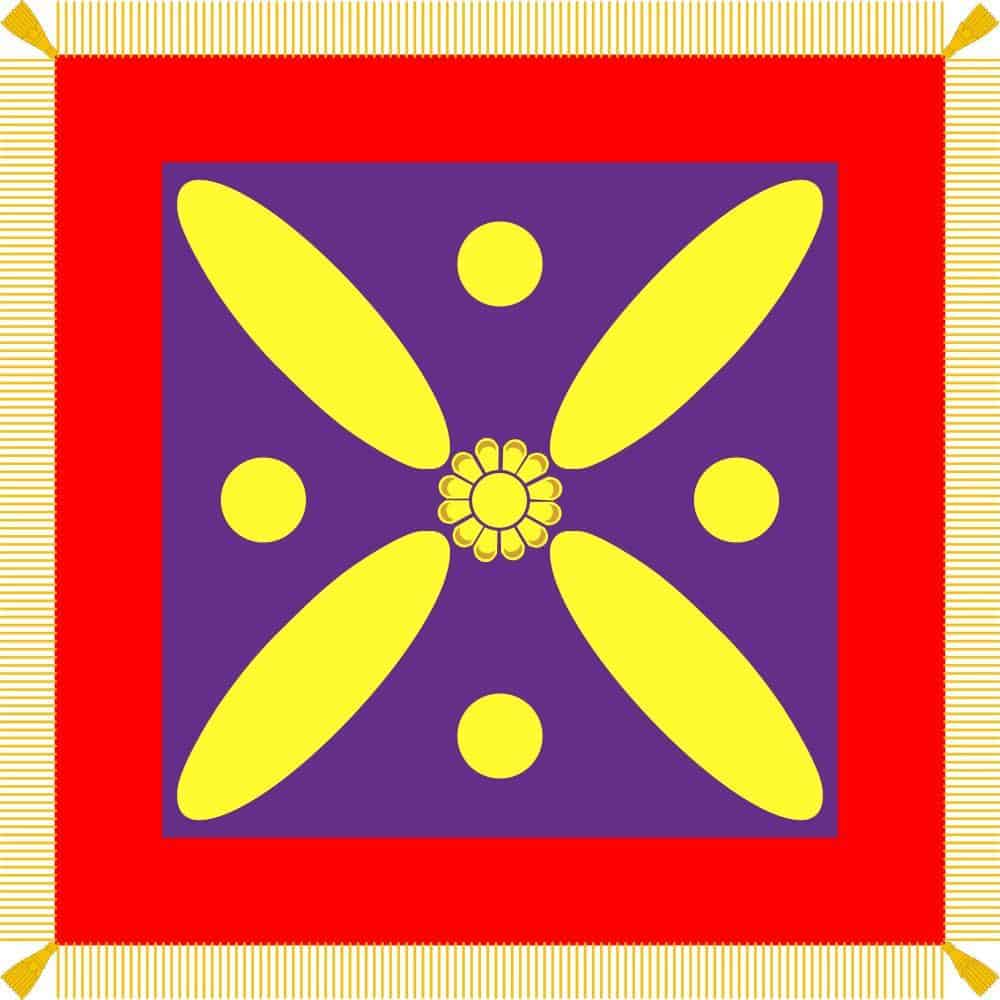
One of the earliest and most revered symbols of Persia was the Derafsh Kaviani, the royal standard associated with ancient Iranian kings and heroic legends.
According to Persian tradition, the banner originated from the blacksmith Kaveh, who led a national uprising against tyranny. Over time, the standard became a symbol of Iranian independence, sovereignty, and resistance.
During the Sasanian Empire, the Derafsh Kaviani evolved into the imperial standard of Persia and represented the authority of the Shahanshah — the King of Kings.
The Lion and Sun Emblem
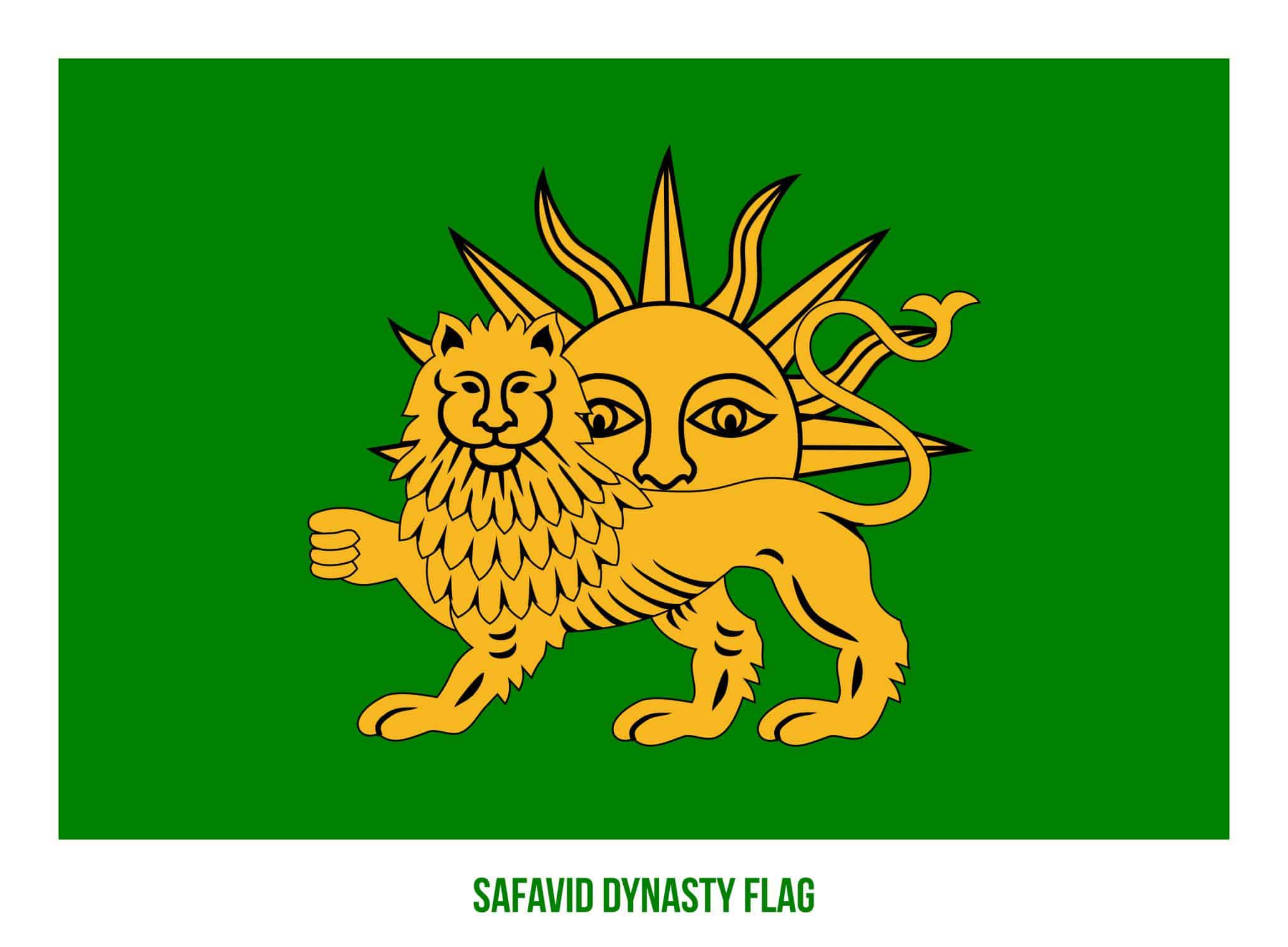
The Lion and Sun emerged over centuries as the most enduring emblem of Iran and Persia. By the Safavid and Qajar periods, it had become firmly established as the national symbol of the Iranian state.
The lion represented courage, monarchy, and strength, while the rising sun symbolized light, renewal, and the enduring spirit of Iran.
The emblem later appeared prominently on the national tricolor of Iran and became internationally recognized as the historic flag of Persia.
Major Persian & Iranian Flags Through History
- The Derafsh Kaviani — Imperial banner of ancient Persia during the Sasanian era.
- Safavid Dynasty Flags (1501–1736) — Early forms of the Lion and Sun emblem emerged.
- Afsharid Dynasty Flags (1736–1796) — Military and imperial banners under Nader Shah.
- Qajar Dynasty Flag (1789–1925) — Formal adoption and expansion of the Lion and Sun symbolism.
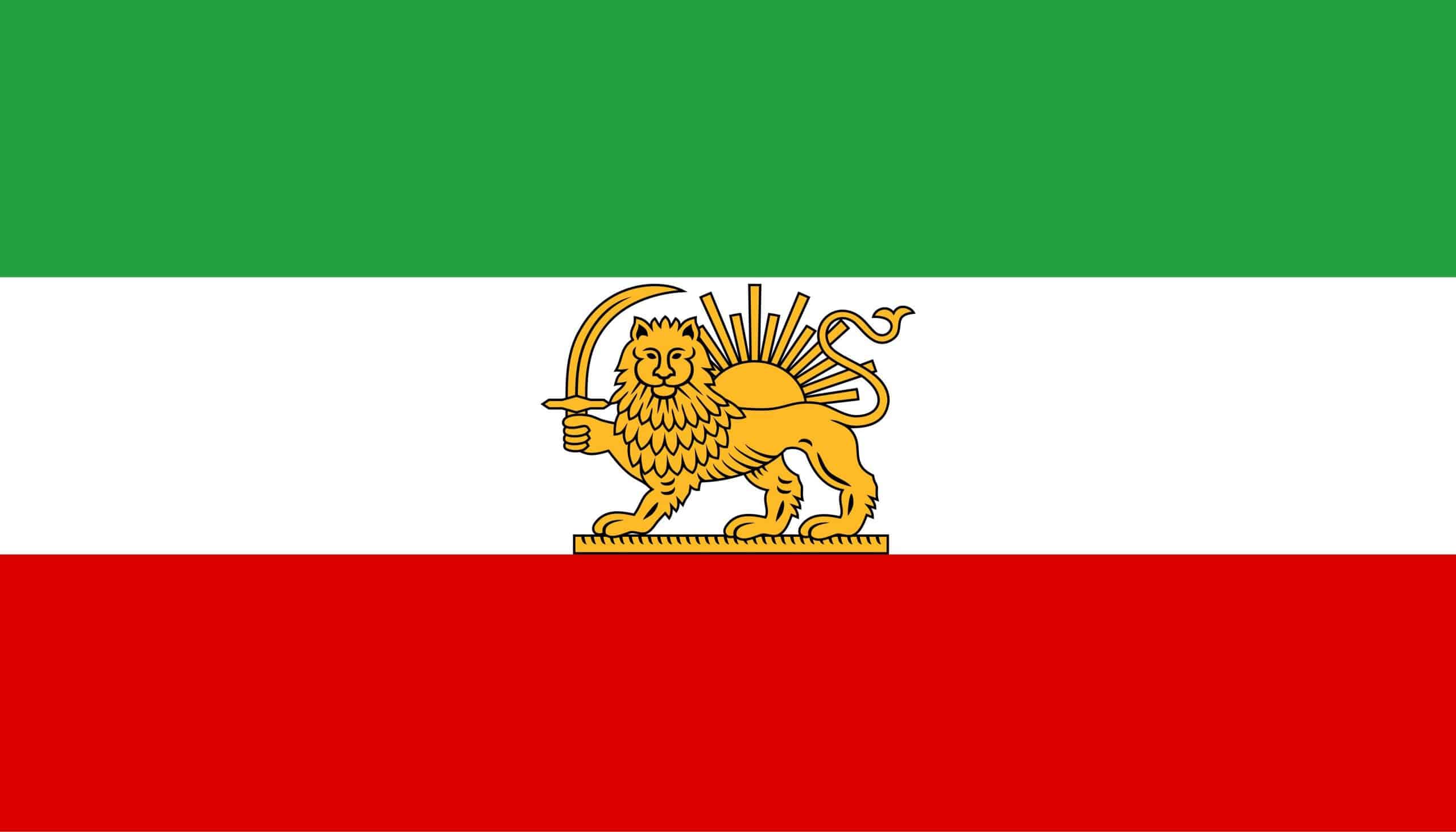
- Pahlavi Dynasty Flag (1925–1979) — The modern green, white, and red tricolor with the Lion and Sun emblem.
- Imperial State of Iran Flag — Internationally recognized national flag before 1979.
- Post-1979 Iranian Flag — Replacement of the Lion and Sun with the emblem of the Islamic Republic.
The Flag During the Pahlavi Era
Under the Pahlavi dynasty, the Iranian tricolor with the Lion and Sun became a globally recognized symbol of the Iranian nation.
The green, white, and red colors represented prosperity, peace, and sacrifice, while the Lion holding a sword symbolized sovereignty and the defense of the nation.
This flag accompanied Iran through a period of modernization, international engagement, and national development during the twentieth century.
A Symbol Beyond Politics
For many Iranians throughout the world, the historic Lion and Sun flag remains a powerful symbol of national continuity, cultural heritage, and the enduring identity of Persia.
It continues to represent a connection to Iran’s ancient civilization, historical memory, and aspirations for unity and national pride.
The Persian flag, in its many forms throughout history, stands as a visual expression of one of the world’s oldest civilizations a symbol of continuity, sovereignty, and the enduring spirit of Iran.