The Coronation of 1967
A defining moment in modern Iranian history, uniting ancient royal tradition with a vision of national progress, sovereignty, and civilizational continuity.
A Historic Moment
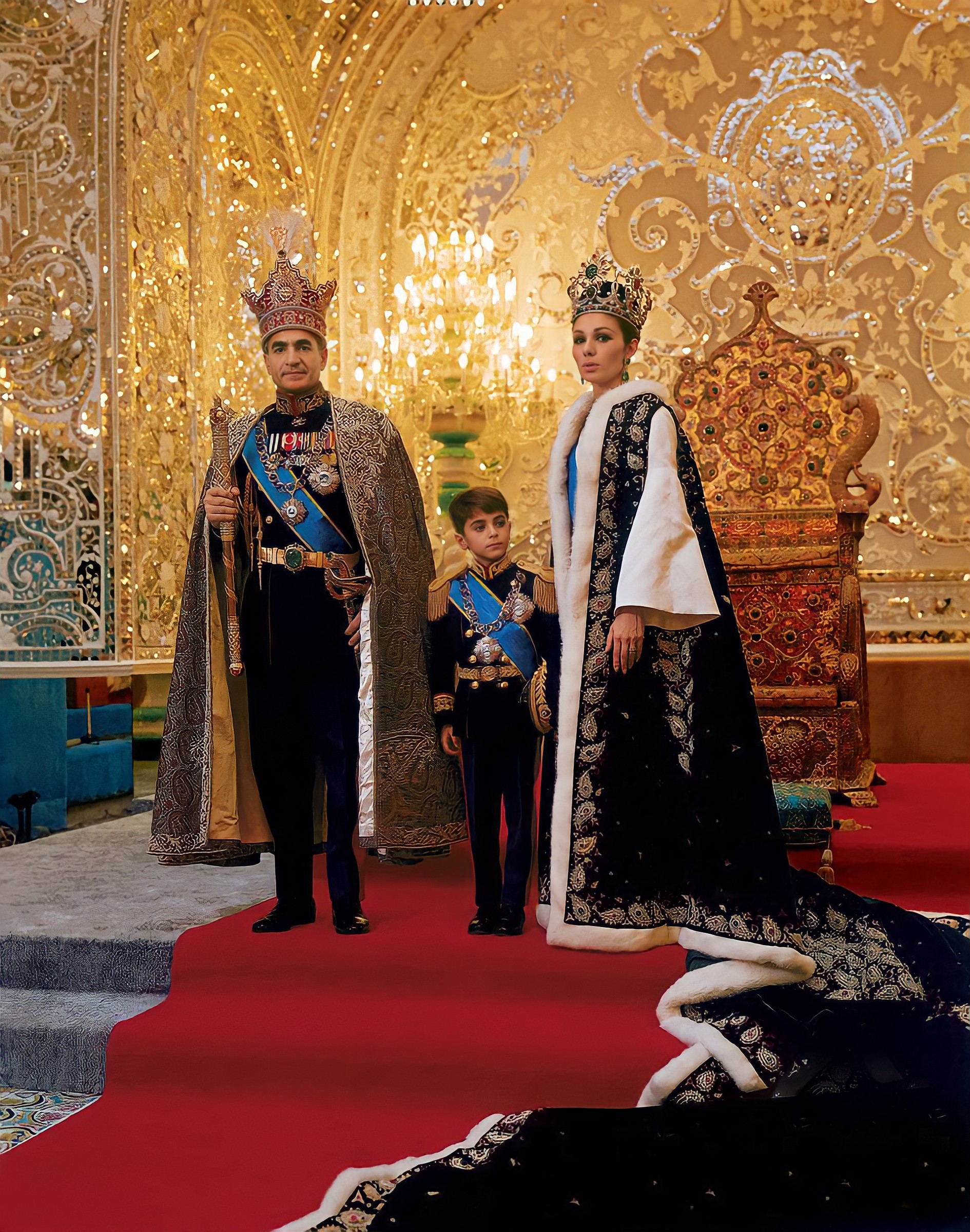
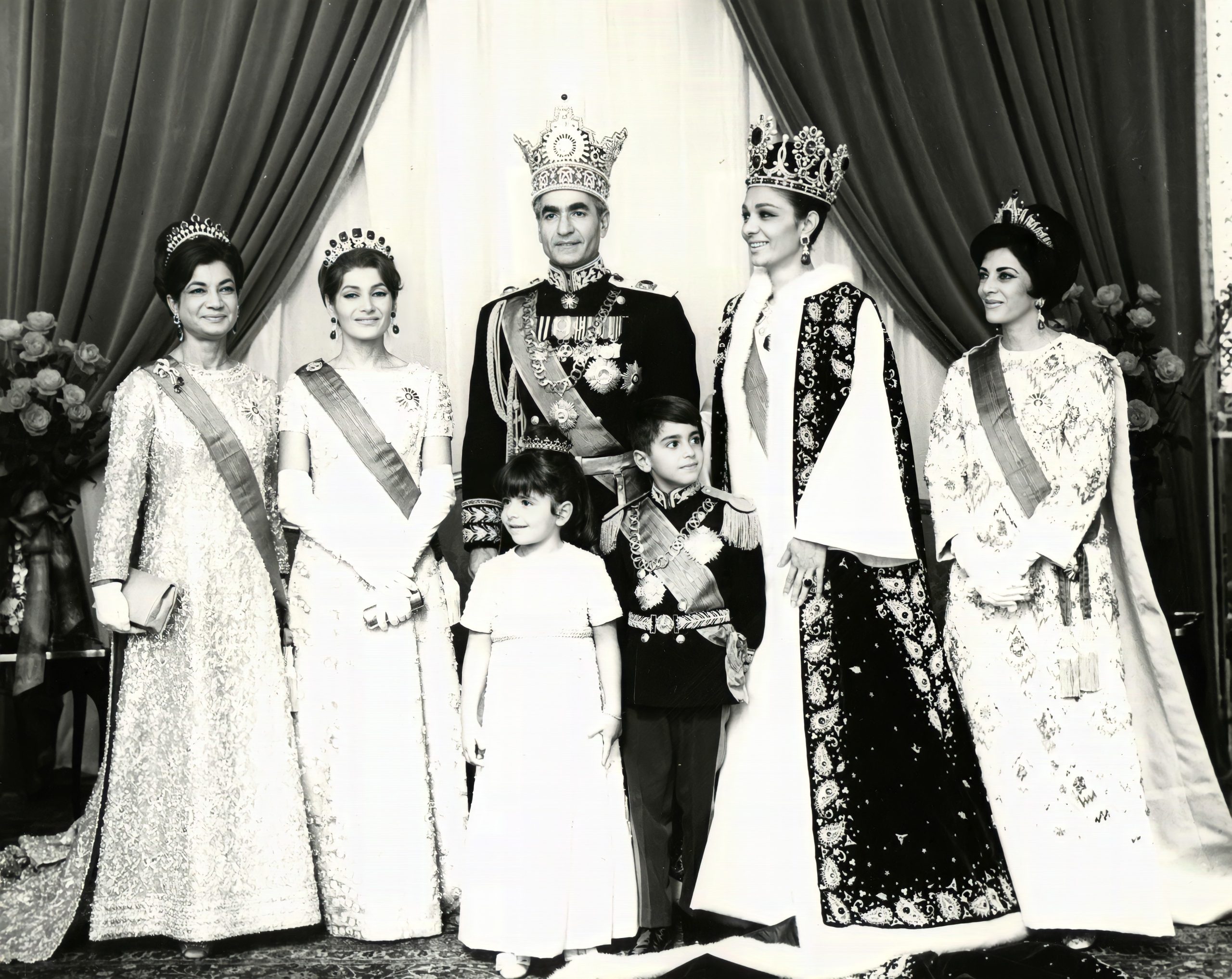
On October 26, 1967, in the historic Golestan Palace in Tehran, His Imperial Majesty Mohammad Reza Shah Pahlavi was formally crowned Shahanshah—“King of Kings.”
The ceremony marked not only the continuation of the Persian monarchy, but also the public expression of a nation that sought to unite ancient grandeur with modern statehood, cultural pride, and international stature.
Symbolism and Meaning
The coronation carried profound symbolic significance. The Shah had long postponed the ceremony, believing that such an occasion should only take place once the country had advanced in strength, stability, and development.
In this sense, the coronation represented far more than ceremonial splendor. It served as a declaration of continuity, linking the modern Iranian state to a royal tradition extending back more than two and a half millennia.
A Ceremony of Royal Tradition
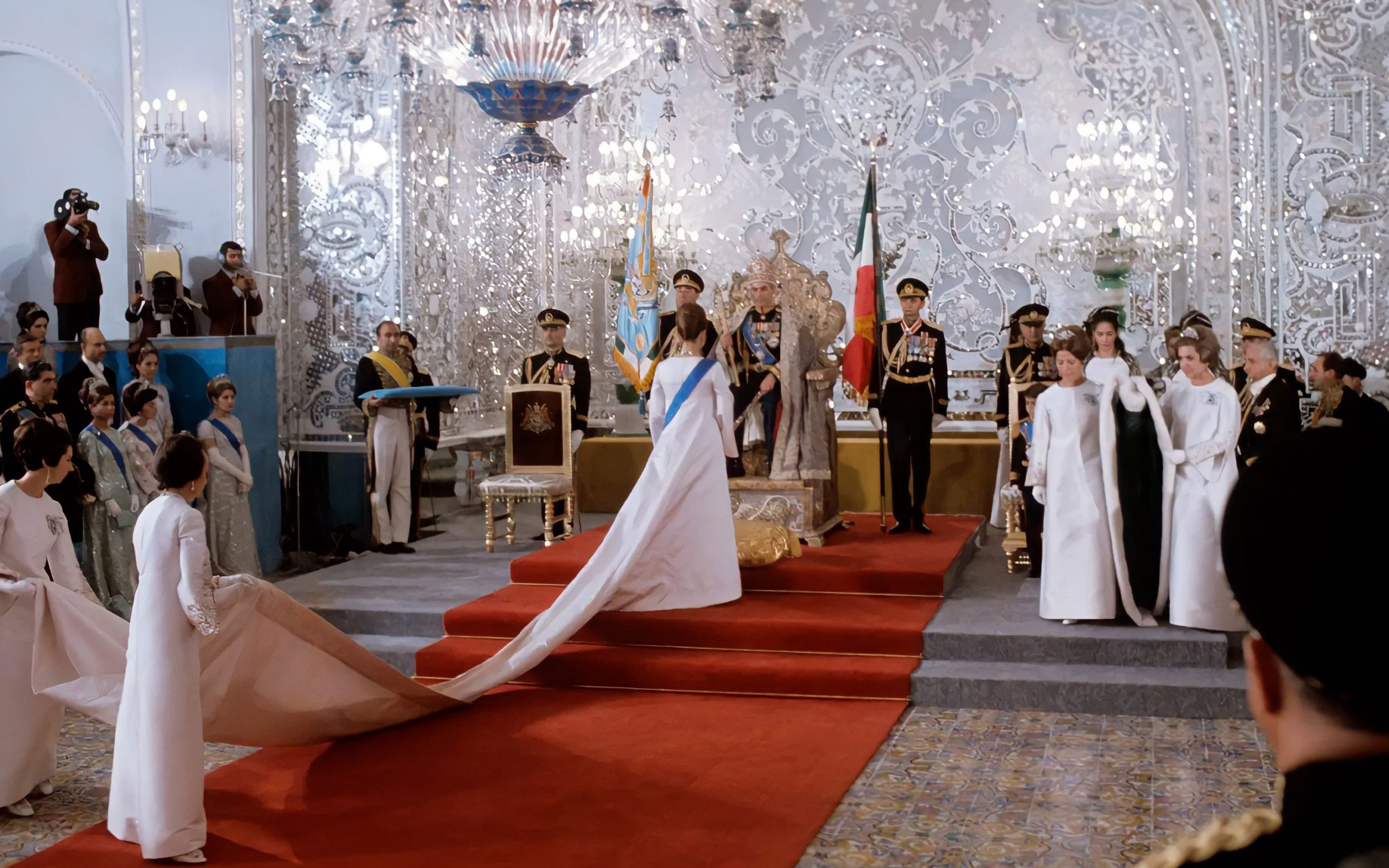
The coronation took place in the Grand Hall of Golestan Palace, one of the most historic royal settings in Iran. The ceremony united ceremonial grandeur with the dignity of Persian kingship.
In one of its defining moments, the Shah placed the crown upon his own head—a gesture that conveyed sovereignty, self-possession, and the continuity of royal authority.
The Coronation of the Empress
In a historic and unprecedented act, Her Imperial Majesty Farah Pahlavi was crowned Shahbanu of Iran—the first time in modern Iranian history that a queen was formally crowned.
This moment stood as a powerful symbol of national modernity and the elevated place of women in the cultural and public life of the country.
Royal Dignity and National Vision
The crowning of the Empress gave the ceremony a historic depth beyond protocol alone. It reflected a vision of monarchy that embraced not only dynastic continuity, but also social progress, cultural renewal, and a broader representation of the nation’s future.
International Significance
The coronation attracted worldwide attention and presented Iran as a nation deeply rooted in history while fully engaged with the modern world.
It symbolized Iran’s growing role on the international stage and expressed a national aspiration to harmonize tradition, statecraft, and progress.
Enduring Legacy
The coronation of 1967 remains one of the most significant ceremonial events in modern Iranian history. It stands as an expression of continuity, national pride, and royal dignity.
More than a formal rite, it embodied a vision of Iran as a civilization conscious of its ancient inheritance and confident in its future.
A moment where history, identity, and sovereignty converged—revealing the enduring spirit of Iran in royal form.