The Persian Monarchy
The Persian monarchy stands among the oldest and most distinguished institutions in world history, representing over two and a half millennia of sovereignty, statecraft, and civilizational continuity.
A Legacy of Sovereignty and Civilization
The Persian monarchy stands among the oldest and most enduring institutions in world history, spanning over two and a half millennia of continuous civilization, governance, and cultural achievement.
From the earliest imperial dynasties to the modern era, the monarchy of Iran served not only as a system of rule, but as a symbol of national identity, unity, and continuity.
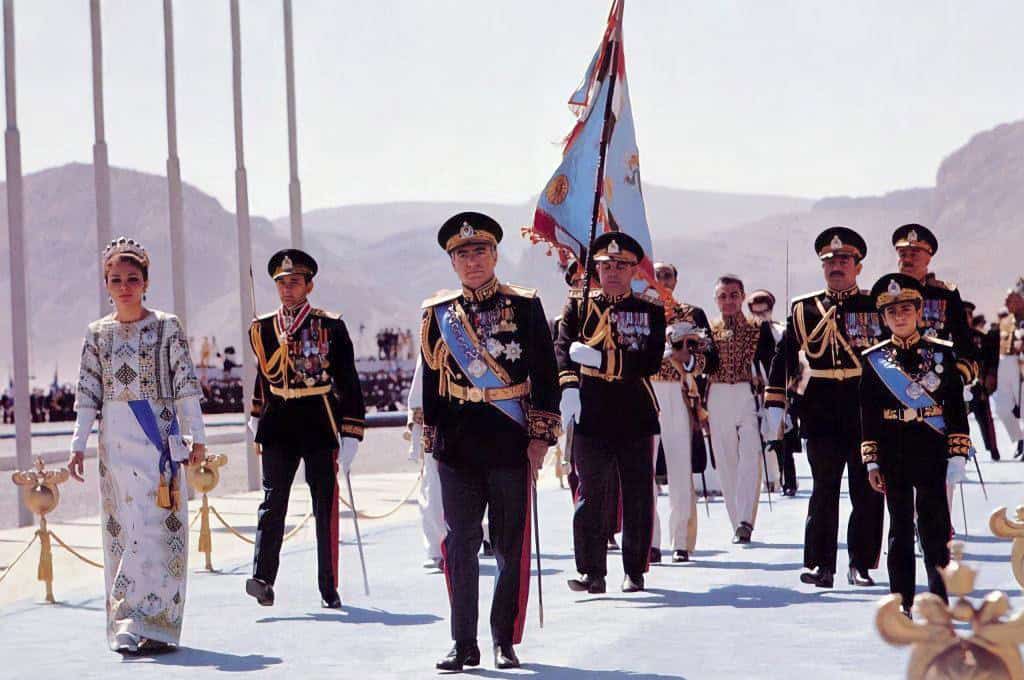
For centuries, the Shahanshah represented both the political authority and the cultural soul of Iran, embodying a tradition deeply rooted in justice, statecraft, and the preservation of Persian heritage.
Flame of Persia
Flame of Persia — Narrated by Orson Welles
Ancient Foundations
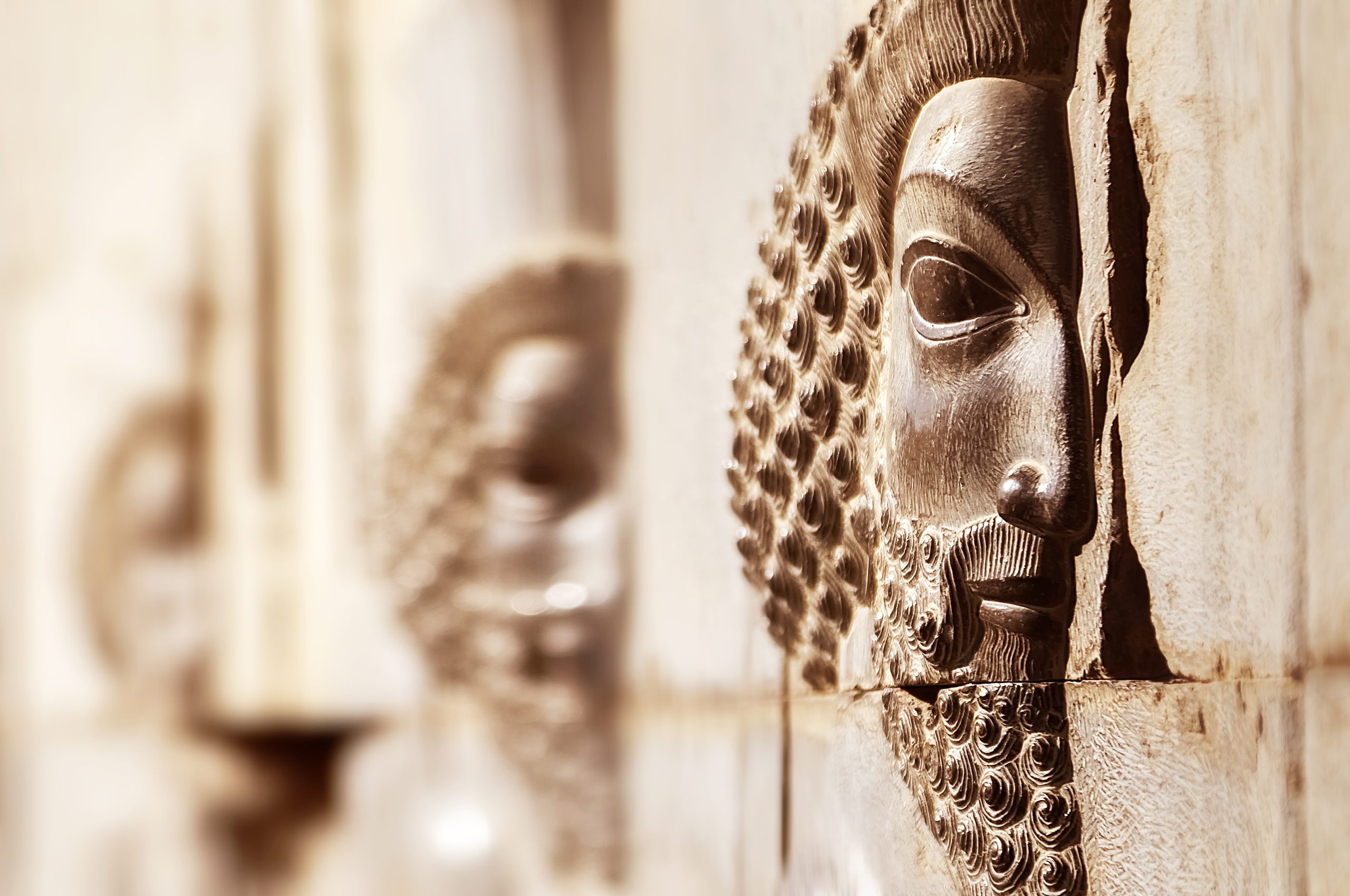
The origins of the Persian monarchy trace back to antiquity, with great empires such as the Achaemenids establishing one of the world’s first global civilizations.
Over time, successive dynasties carried forward this legacy, shaping Iran into a center of art, governance, philosophy, and cultural refinement.
The monarchy was not merely a political institution; it was a unifying force that connected diverse peoples, languages, and traditions under a shared Iranian identity.
Historical Transitions in the Modern Era
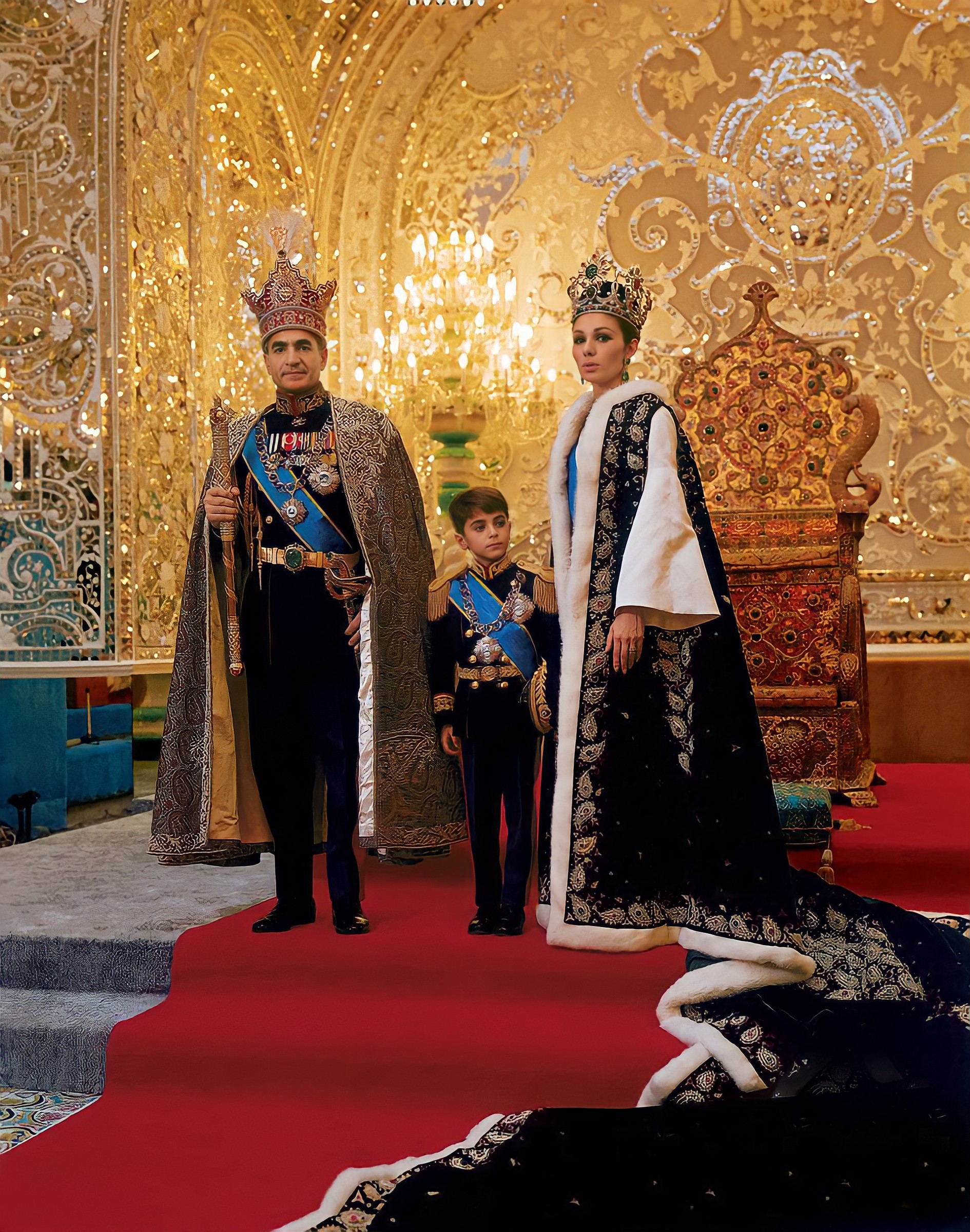
In the modern era, the Persian monarchy evolved through significant historical transitions, most notably under the Qajar dynasty and later the Pahlavi dynasty.
The Qajar period marked a time of political transformation and growing interaction with the modern world, culminating in the Constitutional Revolution of 1906, which introduced parliamentary governance alongside the monarchy.
In 1925, the Pahlavi dynasty was established under Reza Shah the Great, ushering in a new era of national consolidation and modernization. Mohammad Reza Shah continued these efforts while maintaining the continuity of the monarchy.
Modernization and National Identity
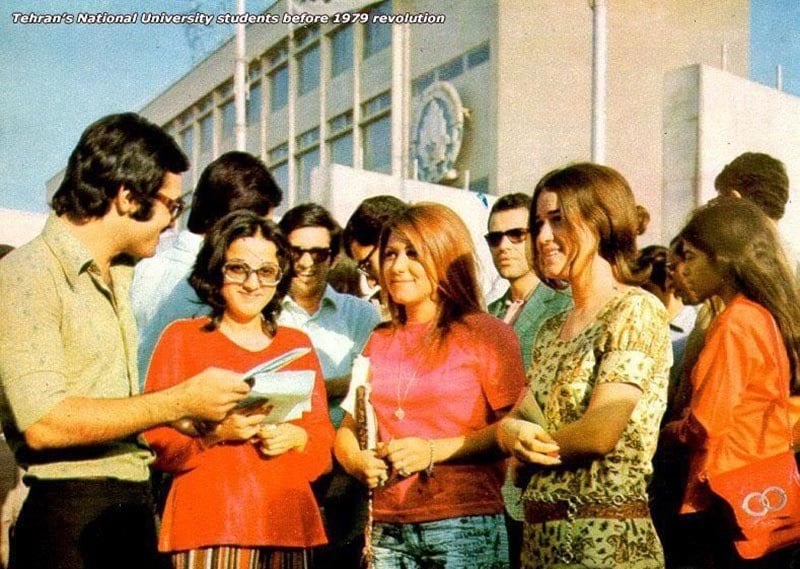
Under the Pahlavi era, Iran experienced profound transformation. Reforms in education, infrastructure, and governance laid the foundations of a modern nation-state, while reaffirming pride in Iran’s ancient heritage.
The Monarchy Promoted
This period reflected a balance between tradition and progress, rooted in the enduring legacy of the Persian state.
The End of the Monarchy
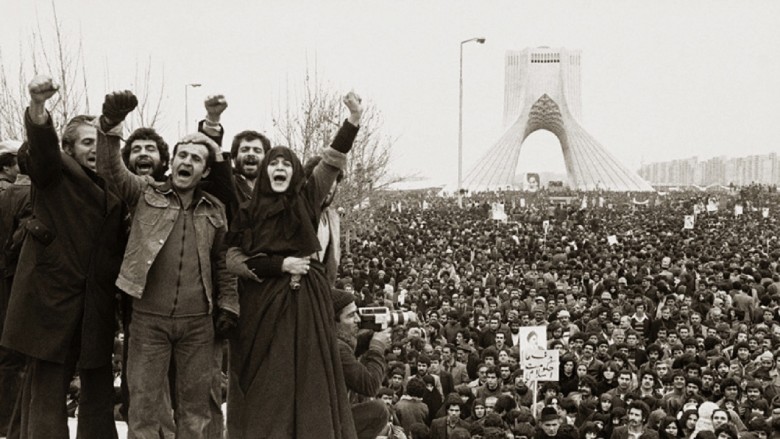
In 1979, following a period of political unrest and upheaval, the Iranian monarchy was abolished during the Iranian Revolution, bringing an end to over 2,500 years of monarchical rule in Iran.
The establishment of the Islamic Republic marked a profound transformation in Iran’s political system, though the historical and cultural legacy of the monarchy remains deeply embedded in the nation’s identity.
Enduring Legacy
Today, the Persian monarchy continues to represent a powerful symbol of Iran’s historical continuity, cultural richness, and national heritage. Its legacy is reflected in Iran’s art, architecture, traditions, and collective memory.
The story of the Persian monarchy is not only a record of rulers and dynasties; it is the story of a civilization that has shaped the course of history and continues to inspire generations around the world.
Timeline of the Persian Monarchy
c. 550 BCE — Rise of the Achaemenid Empire
Founded by Cyrus the Great, the Persian monarchy emerged as one of the world’s first great imperial powers, establishing principles of governance, tolerance, and political order that resonated far beyond its borders.
330 BCE — Fall of the Achaemenids
With the conquest of Persia by Alexander the Great, the Achaemenid Empire came to an end, yet the enduring concept of Persian kingship and imperial identity remained deeply rooted in the nation’s consciousness.
224–651 CE — The Sassanian Empire
The Sassanian dynasty restored Persian imperial strength, revitalizing centralized governance, royal symbolism, and the cultural grandeur of pre-Islamic Iran.
1501–1736 — The Safavid Dynasty
The Safavids re-established a unified Iranian state and laid important foundations for Iran’s religious, political, and national identity in the early modern era.
1789–1925 — The Qajar Dynasty
The Qajar era marked a transitional period in Iranian history, culminating in the Constitutional Revolution of 1906, which introduced parliamentary life alongside the monarchy.
1925 — Establishment of the Pahlavi Dynasty
Reza Shah Pahlavi founded the Pahlavi dynasty and initiated a far-reaching program of modernization, national consolidation, and institutional reform aimed at restoring Iran’s strength and dignity.
1941–1979 — Reign of Mohammad Reza Shah Pahlavi
During this period, Iran underwent rapid development in infrastructure, education, women’s advancement, industry, and global engagement, while continuing to uphold the historic continuity of the monarchy.
1979 — End of the Monarchy
The Iranian Revolution brought an end to the monarchy, closing a long chapter in the nation’s political history, while leaving intact the monarchy’s lasting place in Iran’s historical memory and cultural identity.
Present — Enduring Legacy
Today, the Persian monarchy remains a powerful symbol of national continuity, civilizational heritage, and the enduring cultural identity of Iran.
Selected Quotes from Persian Kings
“I am Cyrus, king of the world, the great king, the mighty king, king of Babylon, king of Sumer and Akkad, king of the four quarters of the world.”
“By the favor of Ahura Mazda, I am king; Ahura Mazda granted me the kingdom.”
“We must build a nation that is strong, united, and worthy of Iran’s great past.”
“Our goal is to create a Great Civilization worthy of the genius and history of the Iranian people.”
The Persian monarchy is not merely a chapter of history—it is the enduring expression of a civilization whose legacy continues to inspire the world.