The Ancient Religion of Iran
For thousands of years, the spiritual foundations of Iranian civilization were shaped by the teachings of Zoroastrianism, one of the world’s oldest known religions. Centered upon the wisdom of Ahura Mazda and the eternal principles of truth, righteousness, and light, this ancient faith profoundly influenced Persian culture, kingship, ethics, and identity across generations.
The Faith of Ancient Persia
More than a religion, Zoroastrianism represented a moral and cultural framework that guided the great civilizations of ancient Persia. Its teachings emphasized harmony between humanity, nature, and divine order, leaving an enduring legacy that continues to resonate within Iranian culture today.
Zarathustra
Zoroastrianism was founded by the prophet Zarathustra, known in Greek tradition as Zoroaster. Revered as one of history’s earliest spiritual visionaries, he taught humanity to pursue truth, wisdom, and moral responsibility through free will and righteous action.
His teachings encouraged mankind to live according to the eternal principles of:
Good Thoughts • Good Words • Good Deeds
Ahura Mazda
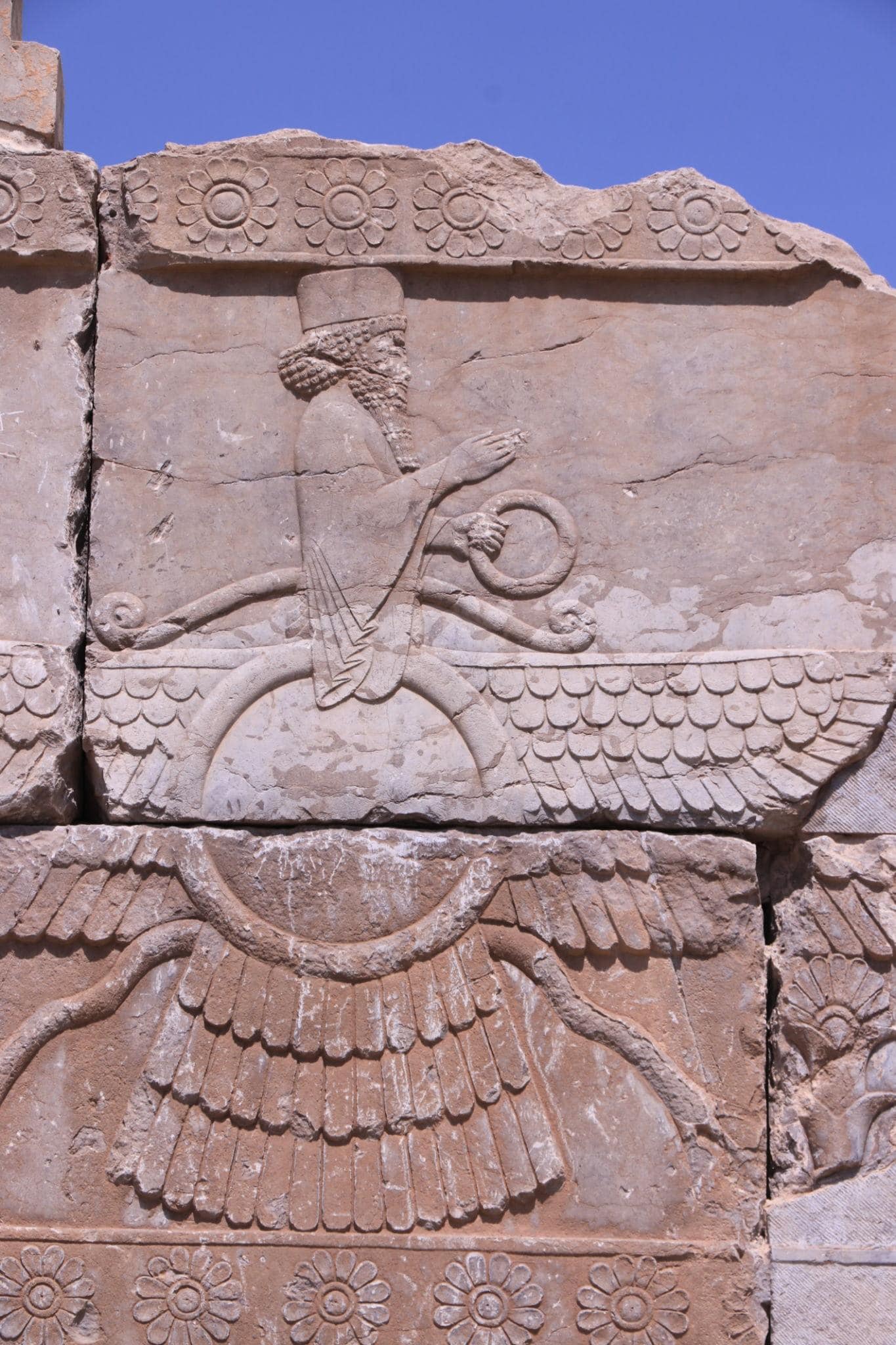
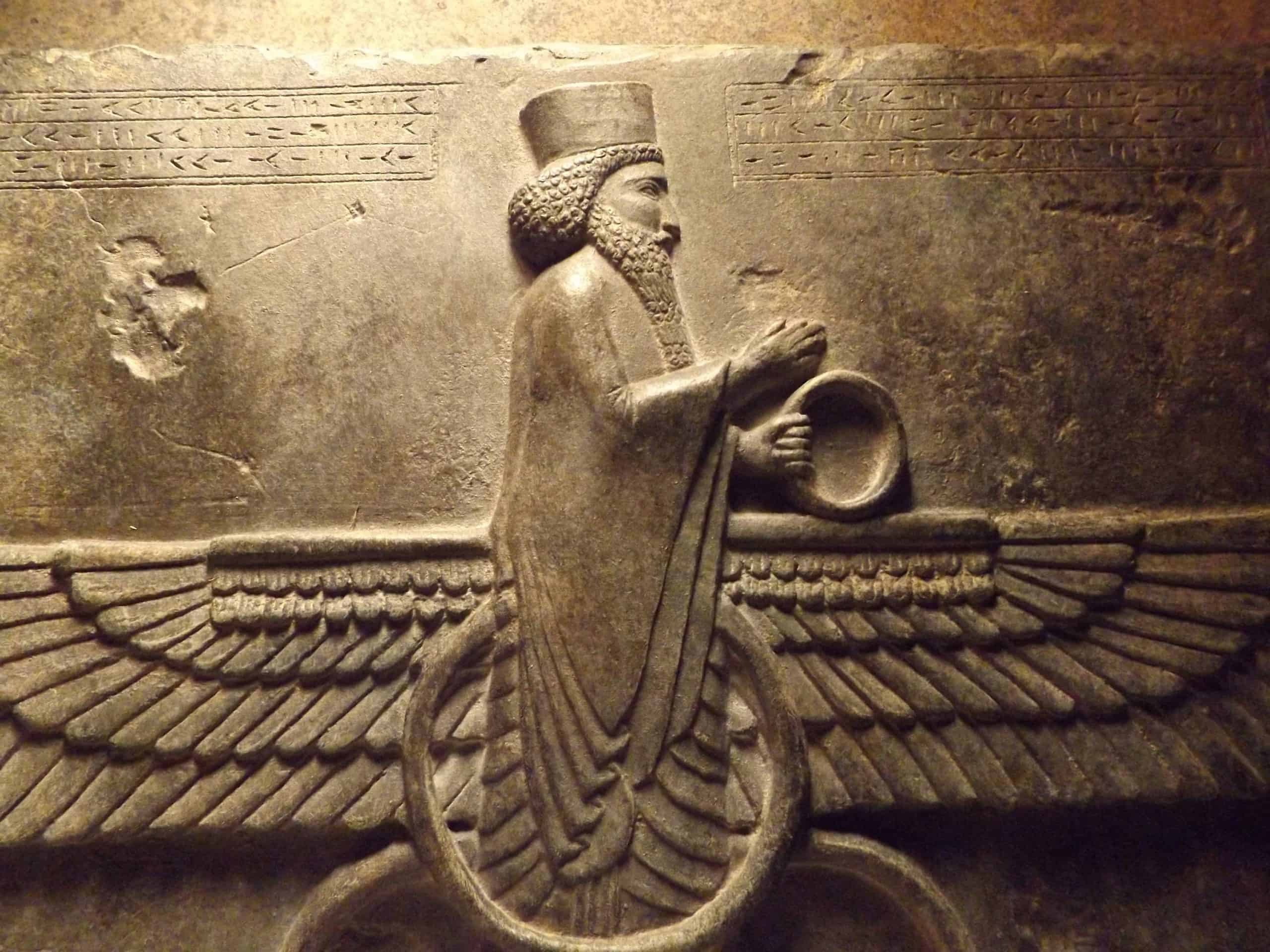
At the heart of Zoroastrian belief stands Ahura Mazda, the Wise Lord and creator of all goodness, truth, and light. Ancient Persian kings frequently invoked Ahura Mazda in royal inscriptions, acknowledging divine wisdom as the source of justice and legitimate rule.
The eternal struggle between truth and falsehood formed a central theme within Persian spirituality and ethical life.
Fire and Divine Light
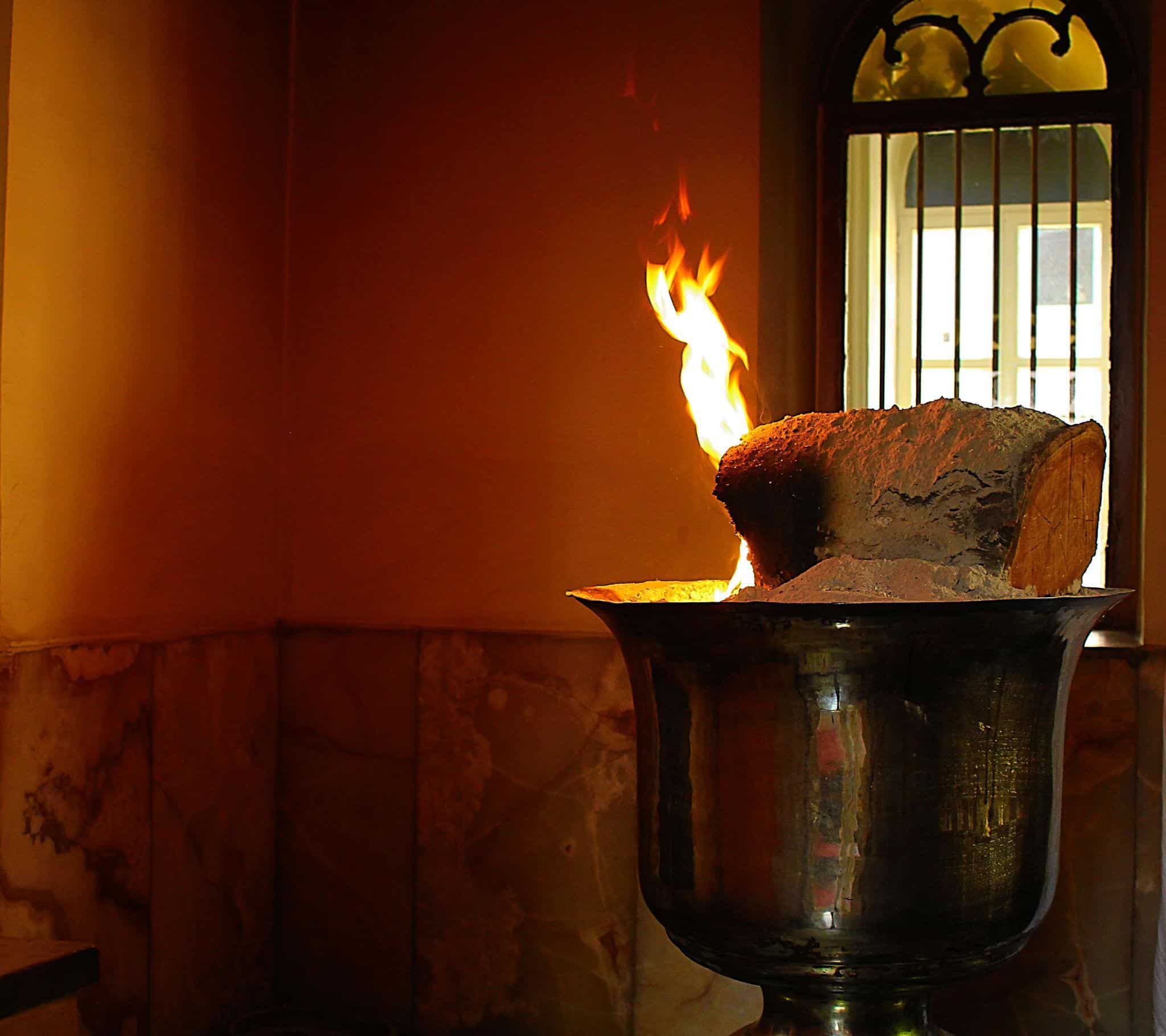
Fire holds profound symbolic meaning within Zoroastrian tradition, representing purity, illumination, and divine truth. Sacred flames were preserved within fire temples for centuries as symbols of spiritual continuity and reverence.
Rather than worshipping fire itself, Zoroastrians viewed light as a visible symbol of divine wisdom and the presence of truth.
The Persian Empires
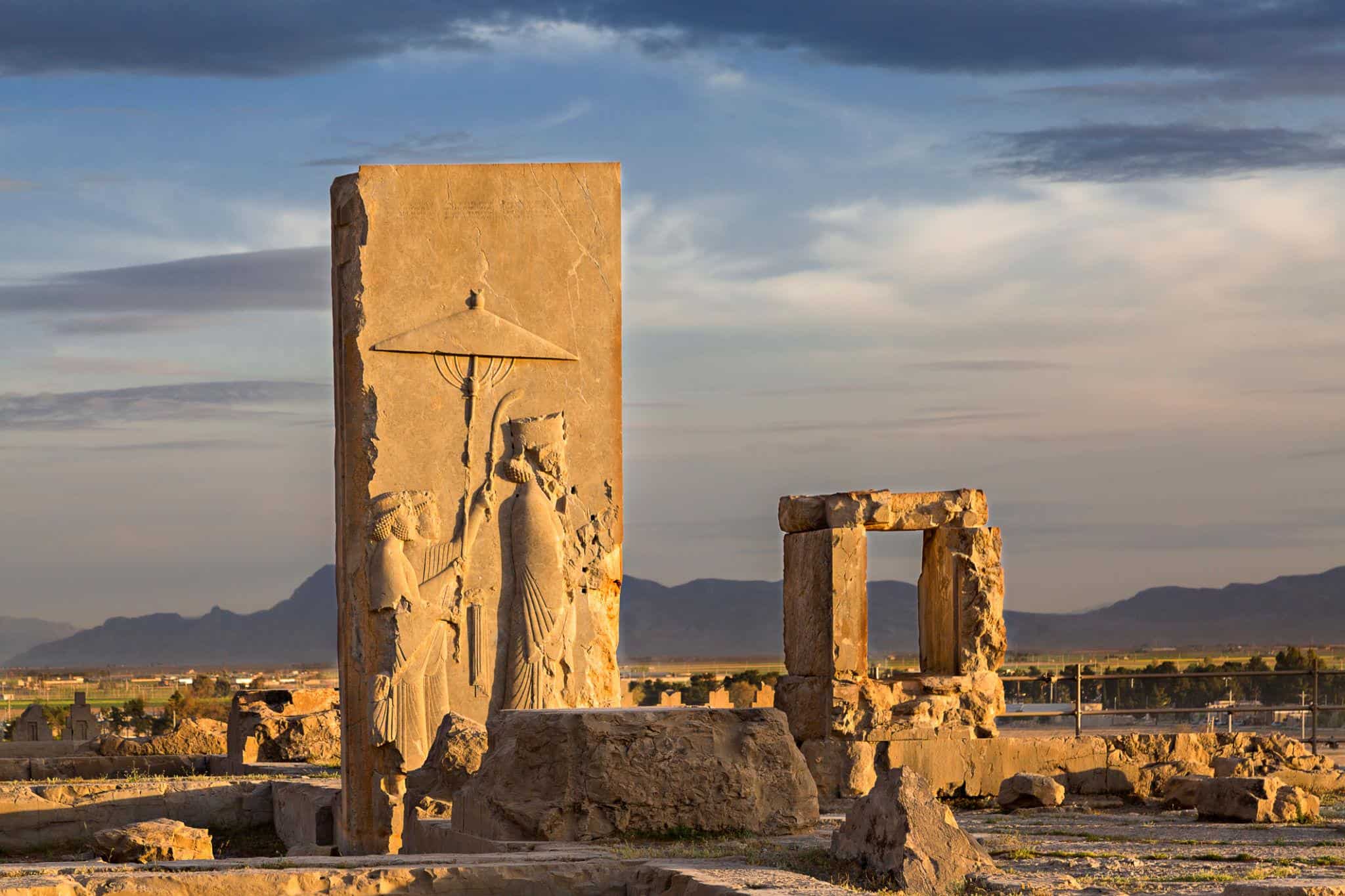
The great Persian empires carried the ethical and spiritual principles of Zoroastrianism across vast territories stretching from Egypt to Central Asia. Concepts of justice, tolerance, and lawful governance became defining features of Persian imperial identity.
From the Achaemenid Empire to the Sassanian dynasty, Persian rulers preserved and elevated the spiritual traditions of ancient Iran.
Good Thoughts
Good Words
Good Deeds
Humata • Hukhta • Hvarshta
The Soul of Iranian Identity
Though centuries have passed since the rise of the ancient Persian empires, the cultural and spiritual legacy of Zoroastrianism continues to shape Iranian identity. Festivals such as Nowruz and Yalda, reverence for poetry and light, and the enduring ideals of truth and dignity all reflect echoes of this ancient heritage.
A civilization illuminated by wisdom, preserved through memory, and carried forward through generations.