The 100th Anniversary of the Founding of the Pahlavi Dynasty
The 100th Anniversary of the
Founding of the Pahlavi Dynasty
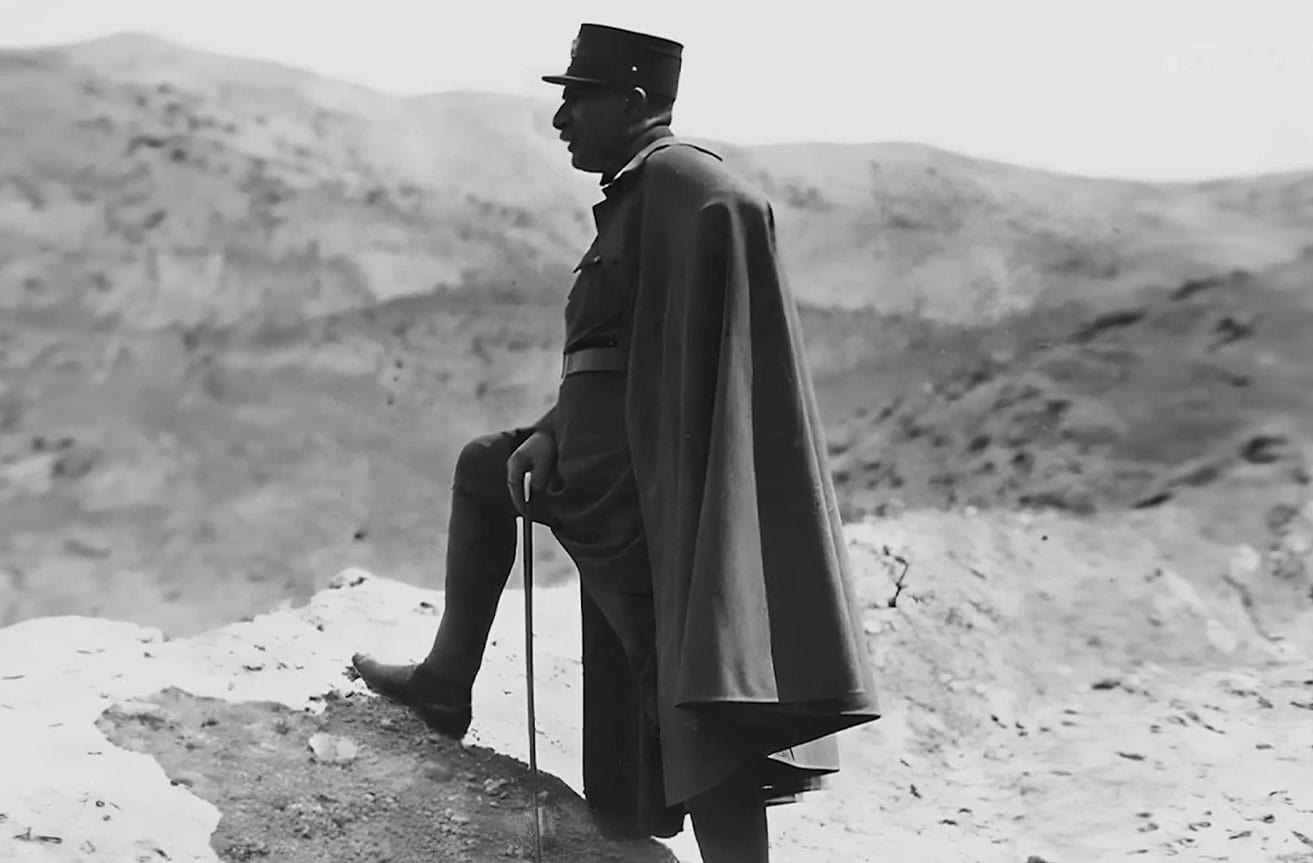
In the modern history of Iran, the name of Reza Shah Pahlavi stands as the founder of modern Iran and the architect of a new national state. Today, on the 100th anniversary of the establishment of the Pahlavi dynasty, we honor his legacy and enduring impact.
Reza Shah the Great, at a critical moment in Iran’s history, laid the foundations of transformation and modernization with determination and a strong national vision. At a time when Iran faced numerous internal and external challenges, he succeeded in restoring stability, strengthening central authority, and setting the country on a path toward progress.
Among the most significant achievements of his reign were the establishment of a national army, the creation of modern state institutions, the development of infrastructure including the Trans-Iranian Railway, major educational reforms, and the promotion of a unified national identity. These efforts ushered Iran into a new era and laid the foundation for further advancements during the Pahlavi period.
Among the many reforms of Reza Shah Pahlavi, the issue of women’s emancipation also holds an important place. Policies such as Kashf-e Hijab were introduced within the broader context of modernization, aiming to increase women’s presence in education and public life. This development represented a notable shift in the social fabric of Iran and continues to be examined within historical discourse.
The groundwork of the Pahlavi dynasty was not only a political transformation, but the beginning of a broader national revival one that emphasized sovereignty, unity, and a renewed connection to Iran’s historical identity. Reza Shah played a defining role in shaping the foundations of contemporary Iran.
Today, a century later, Reza Shah’s legacy remains present in the institutions, infrastructure, and historical consciousness of the Iranian nation. This milestone emphasizes the enduring importance of modernization, stability, and Iranian national identity.
یکصدمین سالگرد بنیانگذاری
دودمان پهلوی
در تاریخ معاصر ایران، نام رضاشاه پهلوی به عنوان بنیانگذار ایران نوین و معمار دولت مدرن، جایگاهی بیبدیل دارد. امروز، در یکصدمین سالگرد تأسیس دودمان پهلوی، یاد و میراث او را گرامی میداریم.
رضاشاه بزرگ در دورانی حساس از تاریخ ایران، با ارادهای استوار و دیدگاهی ملی، پایههای تحول و نوسازی کشور را بنا نهاد. در زمانی که ایران با چالشهای فراوان داخلی و خارجی روبهرو بود، او توانست با ایجاد ثبات، امنیت و تمرکز قدرت، مسیر پیشرفت را هموار سازد.
از مهمترین دستاوردهای دوران او میتوان به ایجاد ارتش ملی، تأسیس نهادهای مدرن دولتی، توسعه زیرساختها از جمله راهآهن سراسری، اصلاحات آموزشی، و گسترش هویت ملی اشاره کرد. این اقدامات، ایران را وارد مرحلهای نوین از تاریخ خود نمود و زمینهساز پیشرفتهای بعدی در دوران پهلوی شد.
یکی دیگر از ابعاد مهم اصلاحات رضاشاه پهلوی، مسئله رهایی و حضور اجتماعی زنان در ایران بود. در چارچوب سیاستهای نوسازی، اقداماتی همچون کشف حجاب با هدف افزایش مشارکت زنان در عرصههای اجتماعی و آموزشی به اجرا درآمد. این تحول، نقطه عطفی در تغییر جایگاه زنان در جامعه ایران به شمار میرود و همچنان در بررسیهای تاریخی مورد توجه قرار دارد.
بنیانگذاری دودمان پهلوی نه تنها یک تحول سیاسی، بلکه آغازگر دورهای از احیای غرور ملی و بازگشت به هویت تاریخی ایران بود. رضاشاه با تأکید بر یکپارچگی ملی و استقلال کشور، نقش مهمی در شکلگیری ایران معاصر ایفا کرد.
امروز، پس از گذشت یک قرن، میراث او همچنان در ساختارهای مدرن ایران و در حافظه تاریخی ملت ایران زنده است. بزرگداشت این مناسبت، فرصتی است برای بازنگری در مسیر طیشده و تأمل بر اهمیت نوسازی، ثبات و هویت ملی در آینده ایران.