National Day of the Persian Gulf: History and Origins
National Day of the Persian Gulf
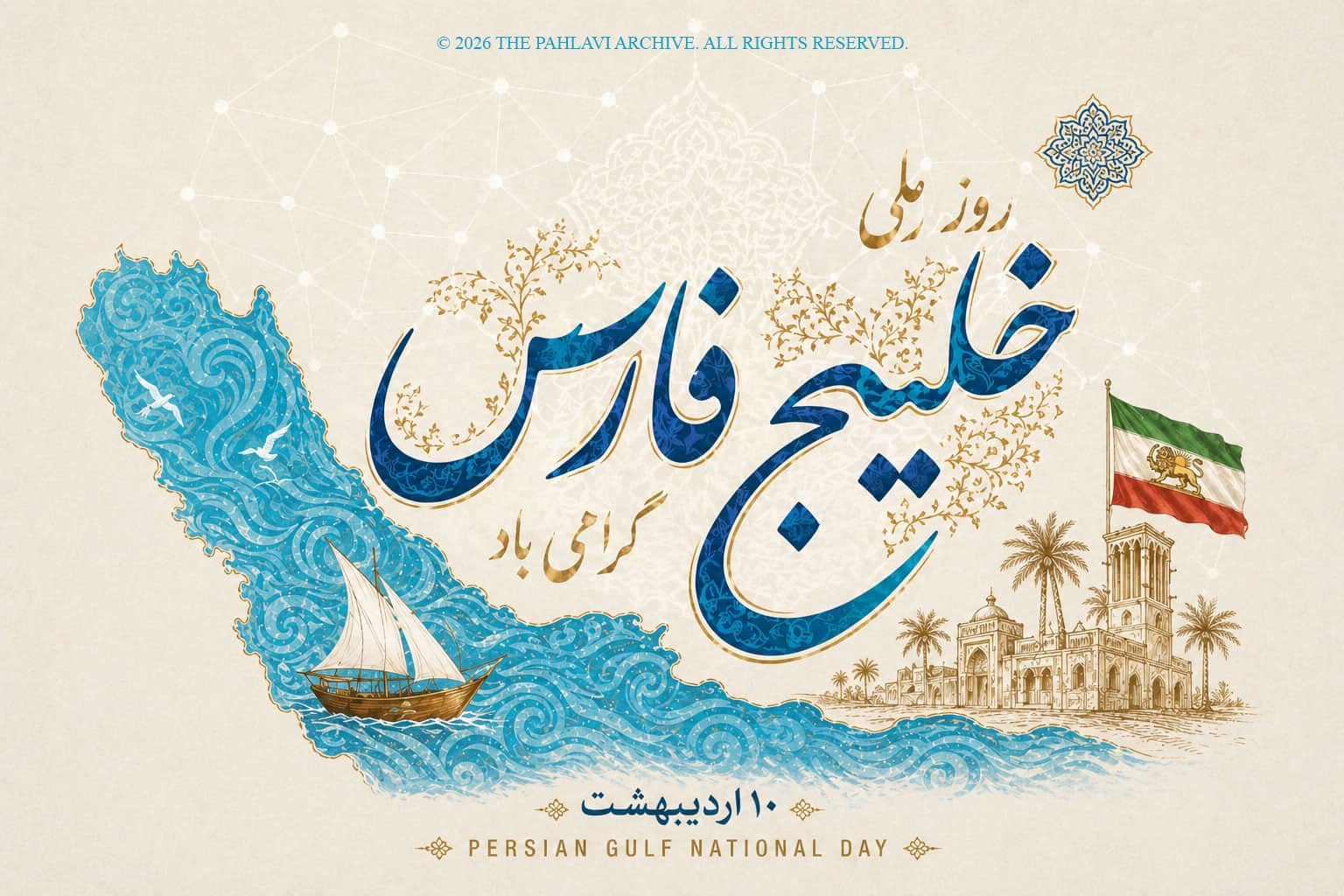
The 10th of Ordibehesht (April 30) is officially recognized in Iran as the National Day of the Persian Gulf, highlighting one of the world’s oldest and most historically documented geographical names.
The term “Persian Gulf” has been consistently recorded in historical texts, classical works, and international maps for centuries, with references by ancient scholars such as Herodotus, Strabo, and Ptolemy.
This date also marks the 1622 expulsion of Portuguese forces from the Strait of Hormuz during the Safavid era under Shah Abbas I, symbolizing the restoration of Iranian sovereignty over this strategic maritime region.
Beyond its geopolitical importance, the Persian Gulf holds a lasting place in Iranian culture, literature, and historical identity as a symbol of national heritage and connection to the southern waters.
Despite occasional attempts to challenge its name in modern times, historical records and international cartography continue to recognize it as the Persian Gulf, affirming its authenticity and historical continuity.
The National Day of the Persian Gulf serves as a reminder of the deep connection between history, identity, and geography, and the enduring cultural significance of this vital waterway.